
China Cross-Border Export Models Explained: 9610, 1210, 9710, 9810, 1039
Five Customs Codes That Decide How Your China Goods Leave the Country
Most overseas buyers know they are "importing from China," but far fewer know that the way goods leave China - the customs supervision code stamped on the export declaration - changes your tax-rebate timing, your paperwork, and even whether a small, no-invoice parcel can legally go out at all. Since 2014 the General Administration of Customs has added a handful of facilitation codes built specifically for cross-border e-commerce and market procurement. If you still push everything out as ordinary general trade (code 0110), you may be leaving cash and flexibility on the table.
This guide explains the five codes importers and sourcing agents ask about most in 2026: 9610, 1210, 9710, 9810, and 1039. For each we cover what it is, who it fits, the rebate mechanics, and the trap that catches first-time users. We close with a decision framework and the documentation trail that keeps you compliant.
The Five Codes at a Glance
| Code | Name (EN) | Best for | Tax treatment | Key constraint |
|---|---|---|---|---|
| 9610 | Cross-border trade e-commerce | B2C direct mail, many small parcels | Standard export rebate (needs invoices) | Not a no-invoice channel |
| 1210 | Bonded cross-border e-commerce | Pre-stocked bonded retail fulfilment | Rebate on zone entry | Requires bonded-zone inventory |
| 9710 | Cross-border B2B direct export | Sales to overseas companies via platforms | Standard export rebate | Buyer must be a business |
| 9810 | Cross-border e-commerce to overseas warehouse | FBA-style / self-run overseas warehouse | Pre-rebate on departure | Reconcile by 30 Apr following year |
| 1039 | Market procurement trade | Mixed, low-value, often no-invoice market goods | VAT exempt | USD 150,000 cap per declaration |
9610 - Retail Direct Mail ("List Release, Summary Declaration")
Code 9610, "cross-border trade e-commerce" (kuajing maoyi dianzi shangwu), is the classic Business-to-Consumer direct-mail model. Goods are collected, declared line by line through a list (qingdan hefang), and then consolidated into a summary declaration (huizong shengbao) for customs. It is built for the high-frequency, low-value, many-small-parcel reality of selling on Amazon, eBay, Shopify, or your own store to individual overseas consumers.
Because every parcel is a separate order, 9610's whole design is speed and simplicity. Small items whose single value is under RMB 5,000 and that are not subject to inspection can use a simplified list declaration, which is why it suits apparel, 3C accessories, and other light goods. The trade-off: to claim China's export VAT rebate you must hold proper value-added-tax invoices - 9610 is not a no-documentation channel. If your goods are genuinely "no invoice," 1039 below is the code built for exactly that.
Who it fits: sellers shipping directly to consumers, testing new SKUs, or running a lean operation without a bonded warehouse. Rebate: standard export rebate, but only with clean invoicing.
1210 - Bonded Stock for Cross-Border Retail
Code 1210, "bonded cross-border e-commerce" (baoshui kuajing maoyi dianzi shangwu), flips the timing. Instead of shipping to the consumer on order, you pre-stock goods inside a customs special supervision zone or bonded logistics park. The goods can be declared for export rebate when they enter the zone, and then flow out to consumers order by order. This is the "bonded fulfilment" model behind fast delivery to nearby markets.
The advantage is twofold: you defer and simplify the export-rebate paperwork (the rebate is triggered on zone entry), and you position inventory close to the ocean and to your customers for faster fulfilment. The cost is carrying inventory and the overhead of operating inside a bonded zone. Who it fits: established sellers with predictable, high-velocity SKUs who can justify pre-positioned stock. Rebate: export rebate on zone entry.
9710 - B2B Direct Export via Platforms
Code 9710, "cross-border e-commerce business-to-business direct export" (kuajing dianzi shangwu qiye dui qiye zhipie chukou), is for sales to overseas companies rather than consumers. You display goods and company information on a platform - Alibaba International Station is the textbook example - negotiate and close online or offline, then ship the goods directly to the overseas business. It is a normal, documented B2B export, simply recognised as a distinct e-commerce channel (added by Customs Announcement 2020 No. 75).
For most established trading companies this is the easiest of the new codes to adopt because the underlying transaction is already a straightforward export. Rebate: standard export rebate, with the same documentation discipline as 0110. Who it fits: manufacturers and trading companies already doing platform-based B2B who want the e-commerce recognition without changing how they ship.
9810 - Overseas Warehouse (and the "Refund on Departure" Breakthrough)
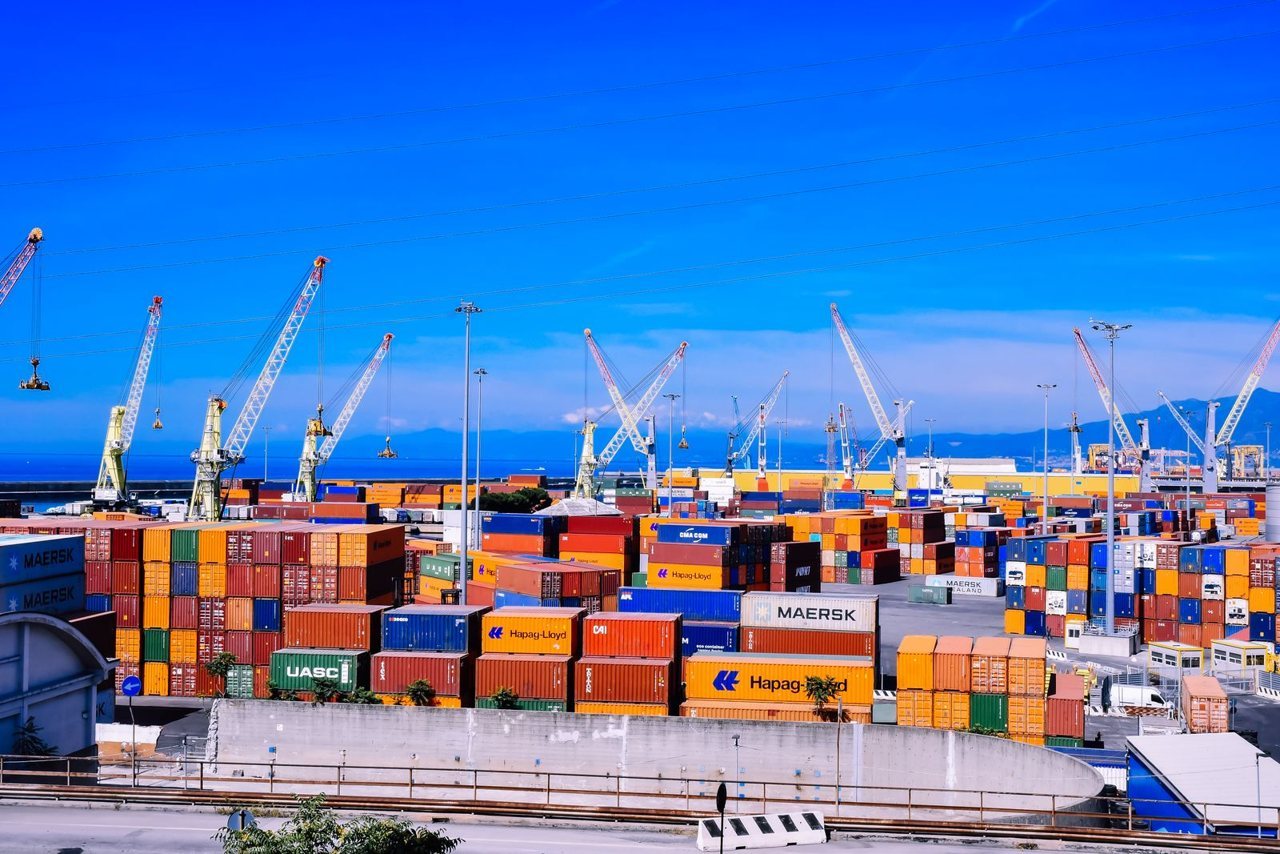
Code 9810, "cross-border e-commerce export to overseas warehouse" (kuajing dianzi shangwu chukou haiwai cang), is the model for FBA-style or self-operated overseas warehouses. You ship a bulk quantity to a warehouse abroad first; sales happen later, locally. The perennial pain was cash flow - under the old rule you could only claim the export rebate after the goods actually sold overseas, so money was tied up for three to six months while stock sat in a foreign warehouse.
That changed. Under the State Taxation Administration's 2025 Announcement No. 3, 9810 goods can now be rebated on departure - "refund on departure, reconcile on sale" (lijing ji tuishui, xiaoshou zai hesuan). You file a pre-rebate (yutuishui) when the goods clear customs and leave China, then reconcile against actual sales by the following 30 April. Crucially, under the General Administration of Customs' 2024 Announcement No. 167, you no longer need to register an "overseas warehouse business mode" with customs at all - you simply transmit the warehouse booking order (dingcangdan) electronically and certify its truthfulness. Customs also grants priority inspection and lets you choose national customs integration or transshipment. Who it fits: high-velocity sellers of bulky or fast-moving goods (home, electronics, consumables) who pre-stock abroad. Rebate: pre-rebate on departure.
1039 - Market Procurement, Yiwu's Signature Model
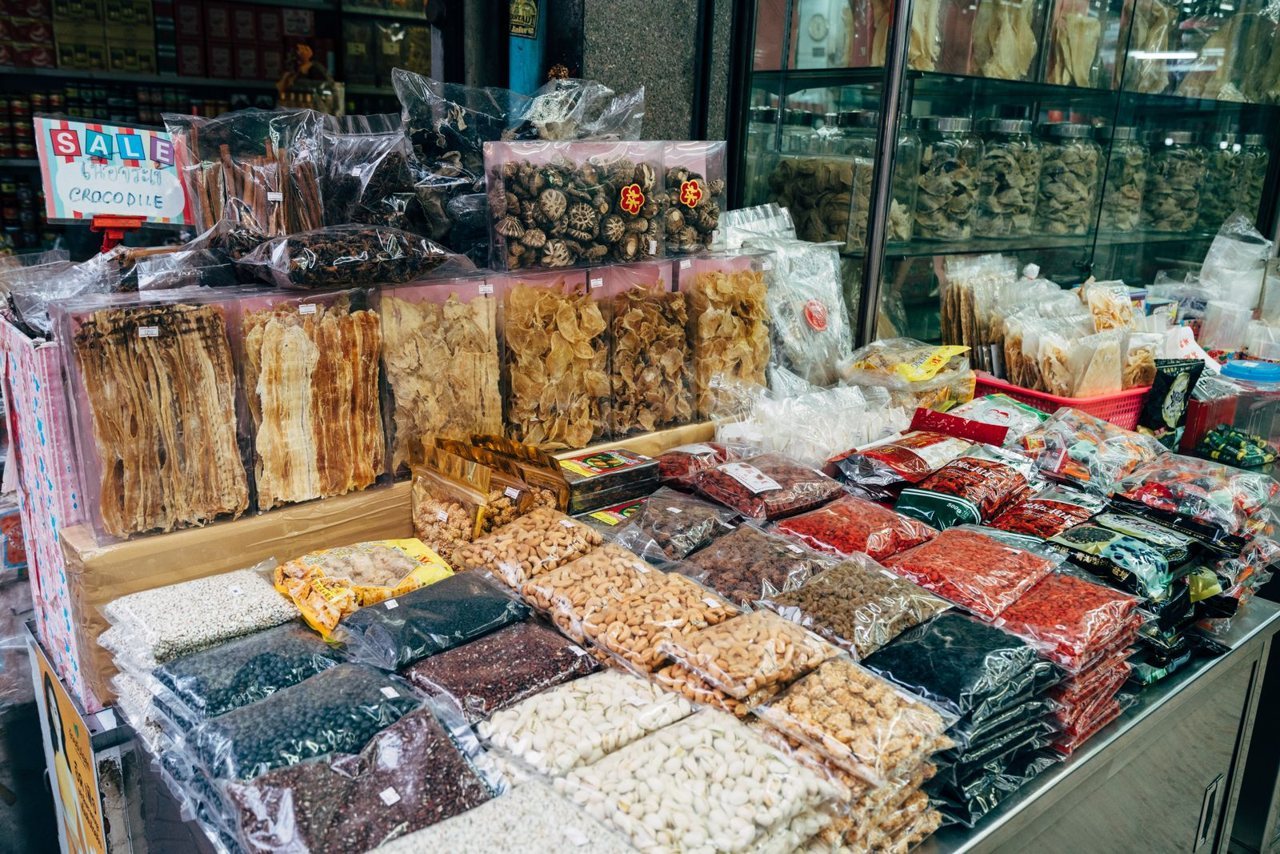
Code 1039, "market procurement trade" (shichang caigou maoyi fangshi), is the one closest to home for a Yiwu sourcing agent - and the one most overseas buyers have never heard of. It was pioneered in Yiwu in 2013 as part of the city's international trade reform, and the customs code was added in 2014. It lets qualified operators buy goods inside a designated market cluster, then export them with simplified declaration and, critically, VAT exemption - solving the "no invoice" export problem that ordinary trade cannot.
The headline numbers: a single declaration is capped at USD 150,000 (USD 15 wan), making it purpose-built for the "many varieties, many batches, small quantities" reality of Yiwu's "hundred-family goods" (baijia huo). If a declaration lists more than five product types, you can consolidate the lower-value lines by HS chapter. It also allows multiple entities to receive foreign exchange, which is a lifeline for small merchants and individual businesses. The model has spread to 39 pilot markets across 22 provinces, and in 2024 market-procurement exports reached RMB 777.08 billion - about six times the 2014 level. The boundaries are strict: prohibited or restricted export goods, and goods not confirmed through the market-procurement identification system, are excluded. Who it fits: buyers consolidating mixed, low-value, often no-invoice goods from a market cluster - exactly the Yiwu use case. Tax: VAT-exempt, not rebated.
How to Choose: A Decision Framework
There is no single "best" code - there is the code that matches your volume, your platform, and your cash-flow needs. Use this simple filter:
- Selling many small parcels straight to consumers, with clean invoices? Use 9610.
- High-velocity SKUs where you can pre-stock in a bonded zone for speed? Use 1210.
- Selling to overseas companies through a B2B platform? Use 9710.
- Pre-stocking a bulk quantity in an overseas warehouse and want rebate on departure? Use 9810.
- Consolidating mixed, low-value, often no-invoice goods from a market like Yiwu? Use 1039.
- None of the above - plain bulk, documented, high-value? Fall back to general trade 0110.
A mature operation often runs several codes in parallel: 9610 for long-tail consumer parcels, 9810 for the hero SKUs sitting in an overseas warehouse, and 1039 for the miscellaneous market buys that would be a paperwork nightmare under 0110.
Common Pitfalls When Picking a Code
- Treating 9610 as a no-invoice channel. It is not. Push no-invoice goods through 9610 and the rebate claim collapses - 1039 is the correct home for those.
- Forgetting the 9810 reconciliation deadline. The pre-rebate must be reconciled by 30 April of the following year; unsold goods mean repaying the pre-rebate. Keep a per-SKU ledger of goods-out versus sales.
- Exceeding the 1039 USD 150,000-per-declaration cap or mixing in goods outside the designated market cluster. Both break the VAT-exempt treatment.
- Assuming 1210 needs no inventory commitment. Bonded pre-stocking only pays off above a volume threshold; below it, the overhead eats the benefit.
Document Everything - the Audit Trail That Protects You
Every one of these codes works because the authorities can trace the goods. 1039 runs on a connected information platform that tracks supplier, agent, purchaser, and the full logistics chain from registration to declaration to forex settlement. 9810 requires an electronic warehouse-booking order you certify as true. Before you commit to a code, make sure you can produce: the platform or market transaction record, the declaration, the transport and warehouse evidence, and - for rebate claims - the VAT invoices or the VAT-exemption filing. A rebate or exemption you cannot document is a suspension waiting to happen.
A qualified customs broker or a sourcing agent who already runs these codes daily will save you more than their fee, precisely because the difference between a smooth clearance and a frozen shipment is almost always the paperwork, not the product.
References
- General Administration of Customs - Market Procurement Trade policy briefings (customs.gov.cn), including Yiwu Customs guidance, 2026.
- Ningbo Customs, "Foreign Trade New Forms - Customs Hot-Topic Q&A," 15 Oct 2026 (9810 overseas-warehouse rebate and return relief; 1039 definition and USD 150,000 cap).
- State Taxation Administration, Announcement 2025 No. 3 - Export rebate (exemption) for cross-border e-commerce overseas-warehouse exports ("refund on departure, reconcile on sale").
- General Administration of Customs, Announcement 2024 No. 167 - Further measures to promote cross-border e-commerce exports (removal of overseas-warehouse mode registration).
- China Council for the Promotion of International Trade (CCPIT), "Cross-Border E-Commerce Export Compliance Guide," 2026 - 9610 / 1210 / 9710 / 9810 definitions and selection.
- Ministry of Commerce - Market Procurement Trade pilot programme (39 pilot markets, 22 provinces; 2024 exports RMB 777.08 billion).


