
Complete Guide to China Sourcing: How to Find Reliable Suppliers in 2026
Complete Guide to China Sourcing: How to Find Reliable Suppliers in 2026
China still manufactures roughly 30% of global output and shipped $3.578 trillion in goods in 2025 (WTO / China Customs). For importers, that scale means unmatched variety, speed, and price — but also real risk if you pick the wrong partner. This guide walks through a proven, step-by-step process to find reliable suppliers and protect your margins in 2026.
Step 1: Define Your Product Requirements Clearly
Before contacting any factory, write a one-page spec sheet. Suppliers quote on what you describe, not what you imagine. Ambiguity is where cost overruns and quality disputes begin.
- Technical specs: materials, dimensions, tolerances, certifications (CE, FCC, RoHS, EN71, etc.).
- Target price and order quantity (MOQ) — both affect which factories will even reply.
- Packaging and labeling requirements, including barcode, warnings, and destination-market marks.
- Intended sales channel (Amazon FBA, Shopify, retail) — each has different compliance rules.
Step 2: Research Supplier Types (Factories vs Trading Companies)
Most 'suppliers' on Alibaba are trading companies, not factories. Neither is 'bad' — they serve different needs. Knowing which you're talking to changes your price, lead time, and risk profile.
| Factor | Factory (OEM/ODM) | Trading Company |
|---|---|---|
| Best for | Large / repeat / custom orders | Small mixed orders, one-stop |
| Price | Lower unit cost | Higher (margin added) |
| MOQ | Usually higher | Often lower / flexible |
| Transparency | Direct production view | Limited factory access |
| Risk | Must vet capability | Must vet who they actually use |
Step 3: Vetting Suppliers — What to Check Beyond Price
Price is the easiest number to lie about
A quote 20% below market usually hides a shortcut: cheaper materials, skipped QC, or a factory that subcontracts your order to an unknown workshop.
Vet every shortlisted supplier before sending money:
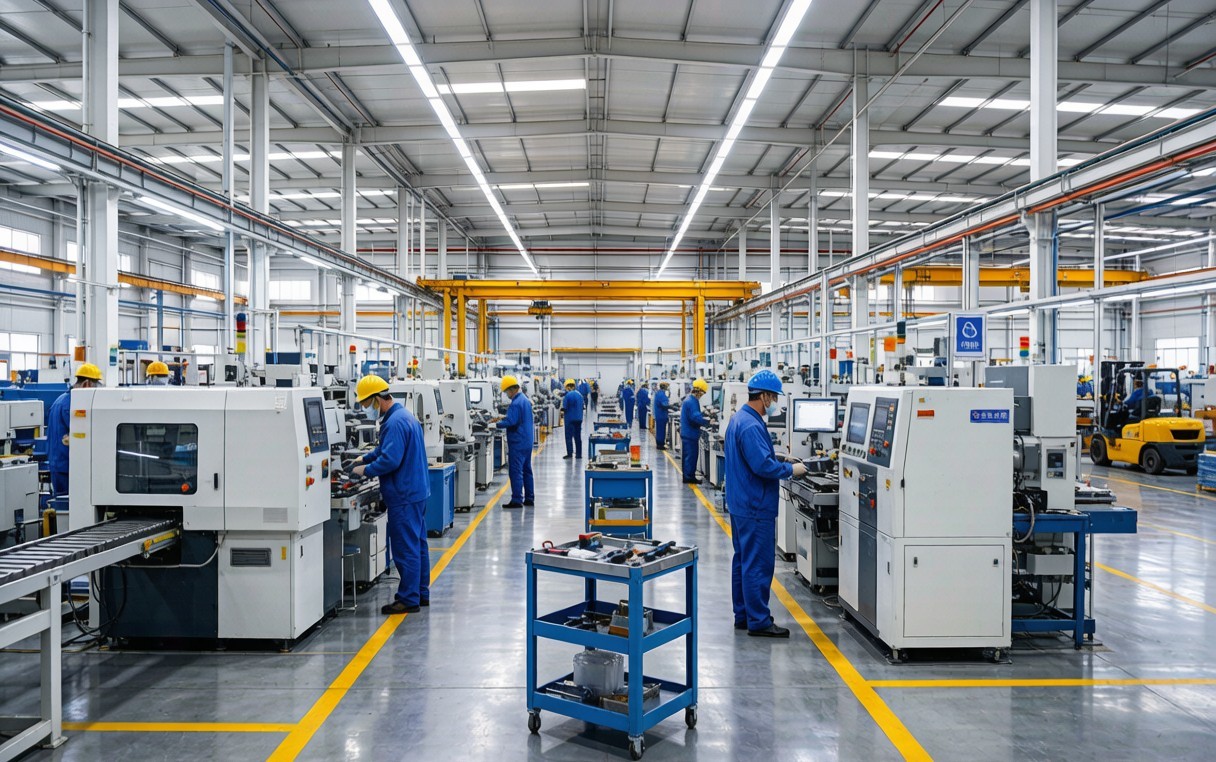
- Business license & export record — confirm the entity is real and established.
- Third-party audit (e.g., SGS, TÜV, or Bureau Veritas) for capacity and social compliance.
- Client references, ideally in your market and product category.
- A physical factory visit or a live video tour of the production line.
- A signed NNN / NDA before you share designs (see our IP guide).
Step 4: The Role of a Local Sourcing Agent
A local agent sits between you and the factory — in the same time zone, same language, same city. They negotiate, audit, sample, and inspect on your behalf, and they catch problems weeks before a container would sail. For most first-time and mid-volume importers, an agent pays for itself in avoided mistakes.
- Supplier verification and on-site audits you can't do remotely.
- Harder negotiation because they know local costs and norms.
- Independent pre-shipment inspection against your spec.
- One accountable partner instead of ten unknown factories.
Step 5: Sampling, Production, and Inspection Process
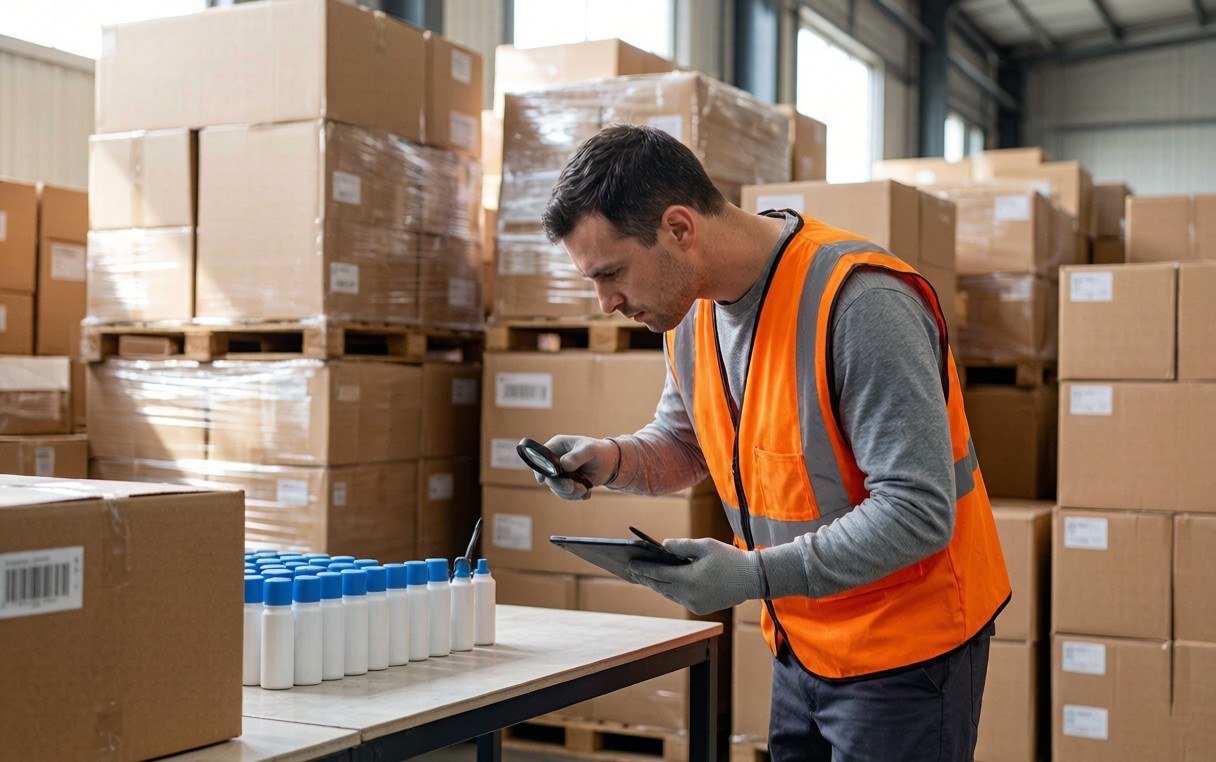
Never skip sampling. An approved sample becomes your reference standard for mass production. Build inspection into the timeline, not after it.
Request samples
Evaluate build, materials, and packaging against your spec sheet.
Approve & freeze the sample
Lock the approved sample as the production benchmark.
During-production check
Inspect at 20–30% completion to catch line issues early.
Pre-shipment inspection (PSI)
AQL sampling (e.g., 2.5) before the container loads.
Step 6: Logistics and Shipping Options
Your Incoterm decides who controls cost and risk. For most importers, EXW (you control everything) or FOB (factory delivers to port) plus a freight forwarder you trust is the safe middle ground.
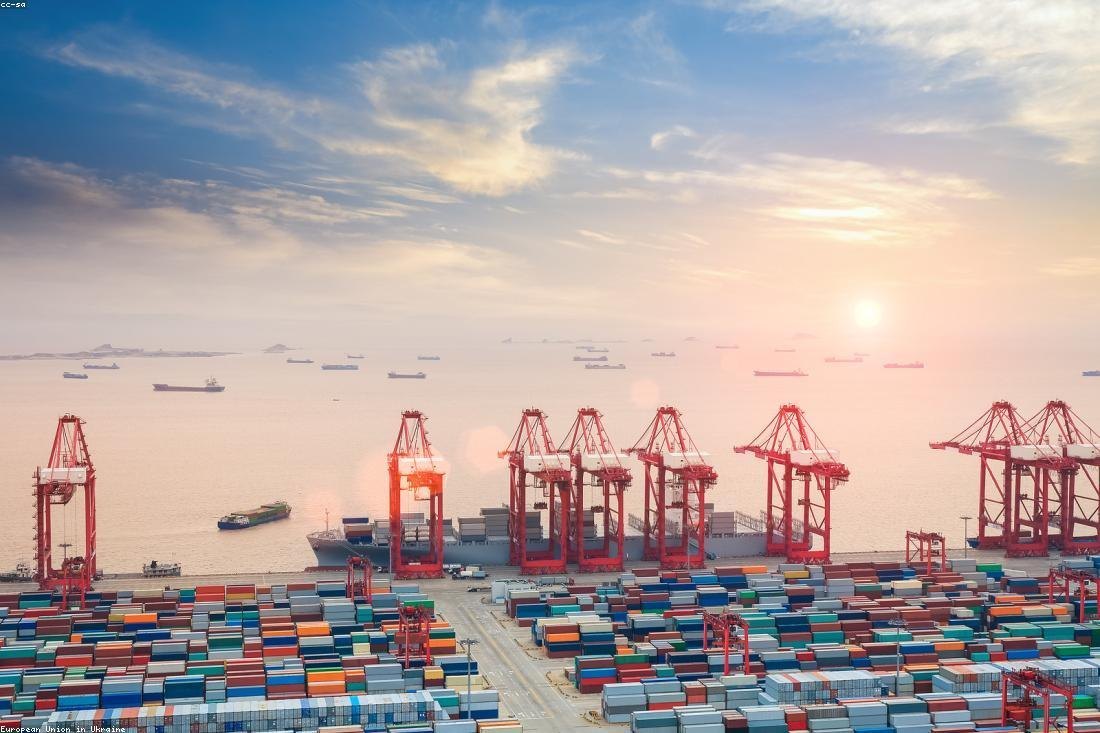
- Sea freight (FCL/LCL): cheapest for volume; 25–45 days to most ports.
- Air freight: 3–7 days; use only for urgent or high-value goods.
- Rail (China–Europe): balanced cost/speed for overland routes.
- FBA prep: label, palletize, and ship direct to Amazon warehouses.
Common Pitfalls and How to Avoid Them
- Paying 100% upfront — use T/T with a deposit and balance against inspection.
- Assuming 'Alibaba Gold' means vetted — verify independently.
- Ignoring certification for your market (CPSC, CE, UKCA).
- No inspection clause — you inherit every defect.
- Single-source dependency — qualify a backup factory.
Why Work with RND — 20+ Years of China Sourcing Expertise
RND has operated on the ground in Yiwu and across China's manufacturing clusters for over two decades. We combine local presence, a vetted factory network, and independent inspection so your order arrives right the first time. We're transparent on fees and never take supplier kickbacks — your interest is the only one we're paid to protect.
What you get with RND
Verified factories, fixed transparent pricing, on-site QC, and one accountable partner from spec to container. Learn more on our About Us page or send an inquiry.
How much does a China sourcing agent cost?
Typically a transparent service fee (often a small percentage of order value) or a fixed project rate. Avoid agents who hide margins inside supplier prices.
Can a small business source from China?
Yes. Agents and trading companies lower MOQs and consolidate orders, making China viable even at a few hundred units.
How do I avoid scams?
Verify the business entity, use inspection-based payment terms, never pay 100% upfront, and work with a referenced local partner.
Sourcing from China in 2026 rewards preparation. Define your spec, vet beyond price, inspect before shipping, and consider a local agent as insurance. Send us your product idea and we'll map a safe, cost-effective path from factory to front door.
Related Services from RND
From factory selection to delivery, RND supports the full journey — China product sourcing, product design & development, and product bundling & packaging — so you get reliable suppliers and market-ready products.
Work With RND Sourcing
RND Sourcing is your on-the-ground sourcing team in Yiwu, helping global buyers find reliable factories, negotiate better terms, and ship with confidence. For a free, no-obligation consultation, visit yourchinagent.com.


