
PPWR & EUDR: The EU Packaging and Deforestation Rules Hitting China Imports in 2026
Two 2026 EU Rules That Reshape Every China-to-EU Shipment
If your goods cross from China into the European Union, two regulations that take effect during 2026 change the compliance math well before your product reaches the shelf. The first is the Packaging and Packaging Waste Regulation (PPWR), which became applicable on 12 August 2026. The second is the EU Deforestation Regulation (EUDR), whose main obligations apply to large and medium operators from 30 December 2026. Neither is a paperwork footnote: both can block a shipment, trigger a market-surveillance order, or land the importer with direct liability.
This guide is written for the importer, not the factory. Under EU law the company placing the product on the Union market is the responsible party, and the responsibilities below sit with you regardless of what your supplier in Yiwu, Shenzhen or Ningbo does or does not know.

PPWR (Regulation EU 2025/40): The Packaging Overhaul
The PPWR repeals and replaces the 1994 Packaging Directive. It is a regulation, not a directive, which means it applies directly in every member state without national transposition. Its scope is packaging and packaged goods, so for most China importers it touches two things: the packaging your product arrives in, and any packaging you add or sell in the EU.
Where the old directive set recycling targets and left detail to member states, the PPWR sets harmonised Union-wide rules: packaging must be recyclable in practice, minimum recycled-content percentages apply to plastic packaging, certain single-use plastic formats are restricted, and empty-space rules limit how much air can ship inside a package. The practical headline for importers is that compliance is now judged against a single EU standard rather than 27 national ones.
What Changed on 12 August 2026: Your Importer Obligations
From the application date, the PPWR treats the importer as a producer of the packaging it places on the market. Three obligations follow directly:
- EPR registration — you must be registered in an Extended Producer Responsibility scheme in each member state where you place packaged goods (covered in detail below).
- Packaging design and substance limits — the packaging must meet recyclability, recycled-content and substance-of-concern requirements, including the PFAS restriction covered next.
- Data and labelling — the regulation requires member states to operate packaging registers and imposes marking and reporting duties so that authorities can trace who placed a package on the market.
These are ongoing duties. A shipment that cleared customs in January 2026 is not "grandfathered" from the rules that apply to the same SKU shipped in September 2026.
The PFAS Ban in Food-Contact Packaging: Test, Don't Just Email
Article 5 of the PPWR restricts substances of concern in packaging, and per- and polyfluoroalkyl substances (PFAS, the so-called "forever chemicals") are singled out for food-contact packaging. The EU's concern is that PFAS migrate from packaging into food and persist in the environment.
The trap for importers is procedural, not chemical: a supplier email saying "our packaging is PFAS-free" is not evidence. PFAS are often present as trace processing aids or repellents in grease-resistant paper and coated board. The only defensible position is a third-party laboratory test on the actual packaging material, paired with a named substance declaration. Expect the Commission to set the precise PFAS thresholds through a delegated act; until those numbers are final, treat any detectable PFAS in food-contact packaging as a red flag and require testing rather than assurances.
EPR Registration in Every Member State
There is no single EU packaging registry. The PPWR keeps the member-state-based EPR model, so if you sell into Germany, France and the Netherlands you register and pay producer fees in each of those countries, usually through a recognised producer responsibility organisation (PRO).

Two practical points for China importers. First, many online marketplaces now require a valid EPR registration number before they will list your product, so this is a sales-enablement issue as much as a legal one. Second, the fees are sized to the weight and material of packaging you place on the market, which means your packaging choices in Yiwu flow straight into a recurring EU cost line.
EUDR (Regulation 2023/1115): Deforestation-Free from 30 December 2026
The EU Deforestation Regulation targets the embedded land-use risk of certain commodities. For the importer, the key date is 30 December 2026 for large and medium operators (micro and small enterprises follow roughly six months later). From that date, relevant products may only be placed on the EU market if they are deforestation-free, were produced in accordance with the laws of the country of production, and are covered by a due diligence statement.
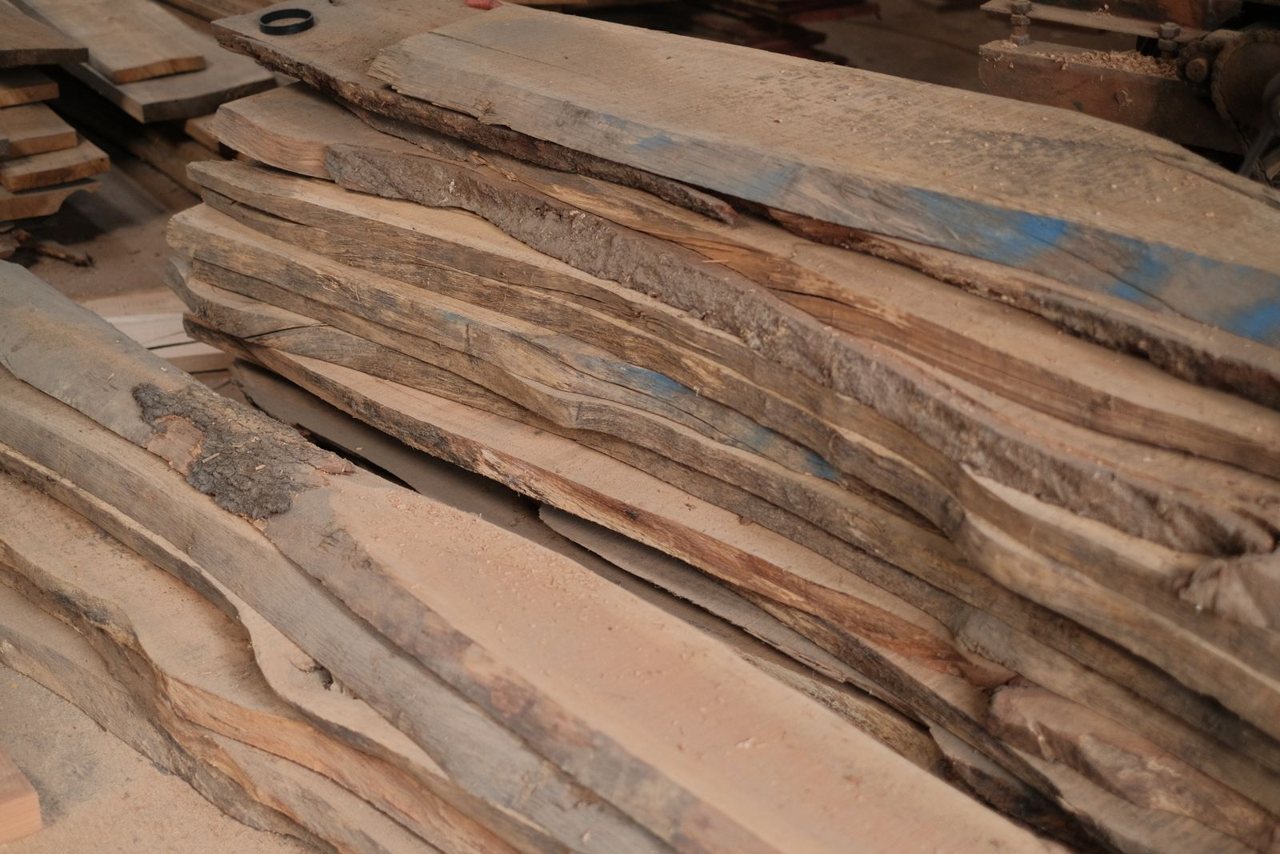
The covered commodities are cattle, cocoa, coffee, soya, palm oil, wood, and rubber, plus products derived from them (think furniture, paper, tyres, chocolate, leather goods). For a general China importer the most common exposure is wooden products and paper-based packaging, but the list is broad and the EU has signalled it may extend it.
Due Diligence and the Due Diligence Statement
EUDR compliance is built on a three-step due diligence process: information collection, risk assessment, and risk mitigation. You must collect the commodity's country of production and geolocation coordinates (plot-level for relevant crops), prove legality under local law, and run a risk assessment. High-risk origins require additional mitigation before the product can be placed on the market.
The deliverable is a Due Diligence Statement (DDS) referenced at the point of placing the product on the market and lodged in the EU's information system. A supplier's certificate alone is insufficient; the operator remains accountable for the statement it files. For importers sourcing wood or paper packaging from China, this means tracing the fibre back to a verifiable, legally harvested origin.
Right to Repair: Transposition by 31 July 2026
The third 2026 rule in this cluster is the Right to Repair Directive (Directive EU 2024/1799). Member states had to transpose it into national law by 31 July 2026. Although it is a directive rather than a regulation, its effects reach importers of repairable goods: it promotes access to spare parts, repair information and affordable repair for consumers.
For China-sourced consumer products, the practical takeaway is to plan for spare-part availability and repair documentation as a market-access expectation, not an afterthought. Buyers and marketplaces increasingly treat repairability as a listing criterion, and a product that cannot be serviced may face practical exclusion even where the directive does not directly bind the importer.
Your 2026 Action Checklist
The four regulations above share one theme: the importer carries the liability. Use the table below to triage where your sourcing operation stands today.
| Action | Regulation | Owner / evidence |
|---|---|---|
| Audit supplier packaging materials for PFAS in food-contact formats | PPWR Art 5 | Third-party lab test + substance declaration |
| Register for EPR in every member state you sell into | PPWR | PRO registration numbers per state |
| Map packaging weight and material to recurring EPR fees | PPWR | Finance + logistics |
| Trace wood/paper to a deforestation-free, legal origin | EUDR | Geolocation + DDS in EU system |
| Plan spare-part and repair-info availability for repairable goods | Right to Repair Dir | Product / after-sales team |
None of these can be closed with a single email to your factory. Start the packaging audit and the EPR registrations now so they are live before the relevant 2026 deadlines, not after a market-surveillance enquiry.
References
- Regulation (EU) 2025/40 of the European Parliament and of the Council on packaging and packaging waste (PPWR), applicable from 12 August 2026. Official Journal of the EU.
- Regulation (EU) 2023/1115 on the making available on the Union market of certain commodities and products associated with deforestation and forest degradation (EUDR).
- Regulation (EU) 2025/1714, delaying the application of EUDR by twelve months (large and medium operators from 30 December 2026).
- Directive (EU) 2024/1799 on a common framework for the right to repair, to be transposed by member states by 31 July 2026.
- European Commission — Environment: Packaging and Packaging Waste, and Deforestation webpages (europa.eu).


