
Private Label vs White Label: Which Sourcing Strategy Is Right for You?
Private Label vs White Label: Which Sourcing Strategy Is Right for You?
Private label is now the dominant Amazon model: Jungle Scout's 2025 seller report shows 67% of Amazon sellers use private label, and third-party sellers make up about 61% of Amazon unit sales. Yet many new importers confuse private label with white label. As a 20-year Yiwu sourcing agent, RND Sourcing builds both, and the right choice depends on your brand ambition, budget, and timeline.
Understanding the Key Difference
The simplest distinction: white label means putting your logo on a ready-made, unchanged product; private label usually means customization of formulation, packaging, bundling, or design so the item is harder to copy. White label is fast and cheap to start; private label is more defensible and more profitable over time.
One-line rule
White label = your sticker on a generic product. Private label = your product with your specs. See our OEM/ODM options.
What Is Private Labeling
Private labeling starts from a factory product but adds your changes, from custom packaging and color to materials and function. Margins are typically 30-50%, and the listing is unique to your brand. It is the more defensible model because competitors cannot simply reorder the same SKU. Launch time runs about 8-16 weeks from validated idea to live listing.
- Customization of packaging, materials, or design.
- Higher margin (roughly 30-50%).
- Strong brand control and IP protection.
- Longer lead time: about 8-16 weeks to launch.
What Is White Labeling
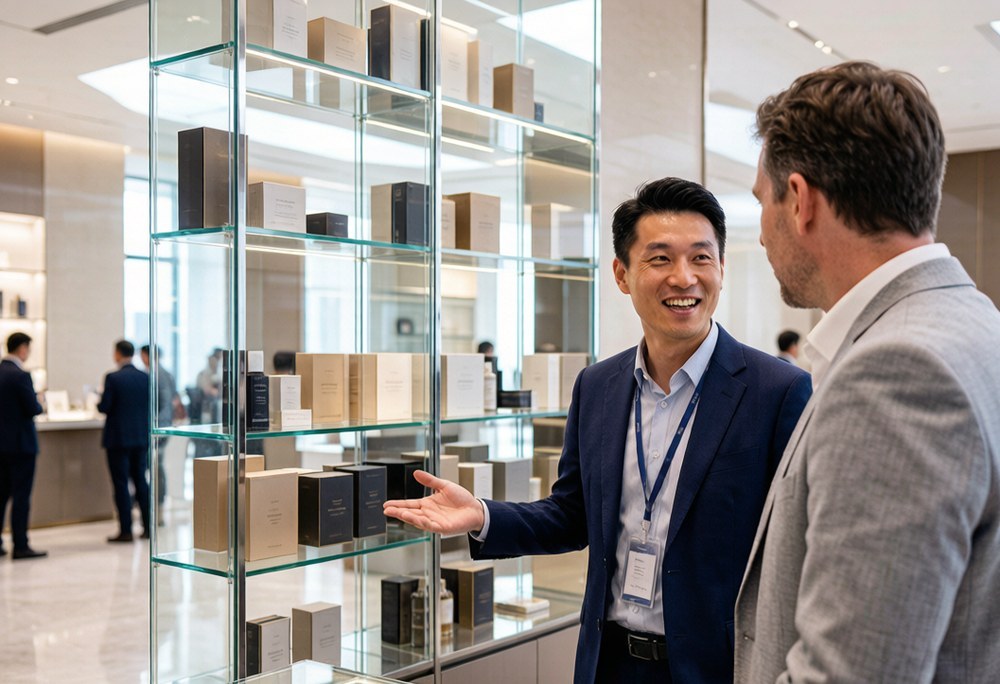
White labeling uses an existing off-the-shelf product with only your logo applied. It is the fastest route to market and needs the lowest upfront spend, but it offers little differentiation and weak pricing power. Note that since 2024, Amazon blocks new listings for generic white-label goods in most consumer categories, so white label now fits merchant-fulfilled or non-branded niches better.
Cost Comparison
White label wins on entry cost: low MOQ, no tooling, minimal design spend. Private label costs more up front (tooling, custom packaging, sampling, trademark, launch ads), often in the low thousands to low tens of thousands of dollars. The payoff is margin: Helium 10 seller data shows private-label items sell 22-35% above comparable white-label products.
| Factor | Private label | White label |
|---|---|---|
| Upfront cost | Higher (tooling, packaging, TM) | Low (logo only) |
| Margin | 30-50% | Thinner, price-driven |
| Differentiation | High | Low |
| Price vs generic | +22-35% | At market rate |
Brand Building Through Private Label
Private label is the path to a real asset. Custom packaging, a registered trademark, and Amazon Brand Registry unlock A+ content, the Transparency program, and better Buy Box performance. Because 92% of private-label brands rely on FBA (Red Stag Fulfillment, 2026), the model scales without you running a warehouse.
Time-to-Market Comparison
White label can be live in days to weeks; private label needs 8-16 weeks for sampling, production, and shipping. Start branding and listing build alongside production so launch is not delayed. If you need stock for a fixed date (Prime Day, Q4), count ocean transit of 25-45 days plus customs when planning.
Plan backward
For a Q4 launch, lock the factory by spring. RND overlaps sampling, packaging design, and freight so production time is not wasted. Start via send inquiry.

Minimum Order Quantities Compared
White label often starts at very low MOQs because the product already exists. Private label MOQs are higher once customization or tooling is involved, though Yiwu's cluster lets RND negotiate flexible runs for many categories. Expect private-label MOQs in the hundreds to low thousands of units depending on material and packaging.
Which Works for Amazon, Shopify, Retail
For Amazon, private label is strongest for differentiation and FBA eligibility, while white label suits only limited generic niches. For Shopify and DTC, private label supports brand storytelling and repeat purchase. For brick-and-mortar retail, private label with certified, well-packaged goods is what buyers expect; white label rarely meets retailer branding standards.
| Channel | Best fit | Why |
|---|---|---|
| Amazon | Private label | Differentiation, FBA, Brand Registry |
| Shopify / DTC | Private label | Brand control and LTV |
| Retail | Private label | Packaging and compliance standards |
| Generic niches | White label | Speed, low MOQ |
How RND Supports Both
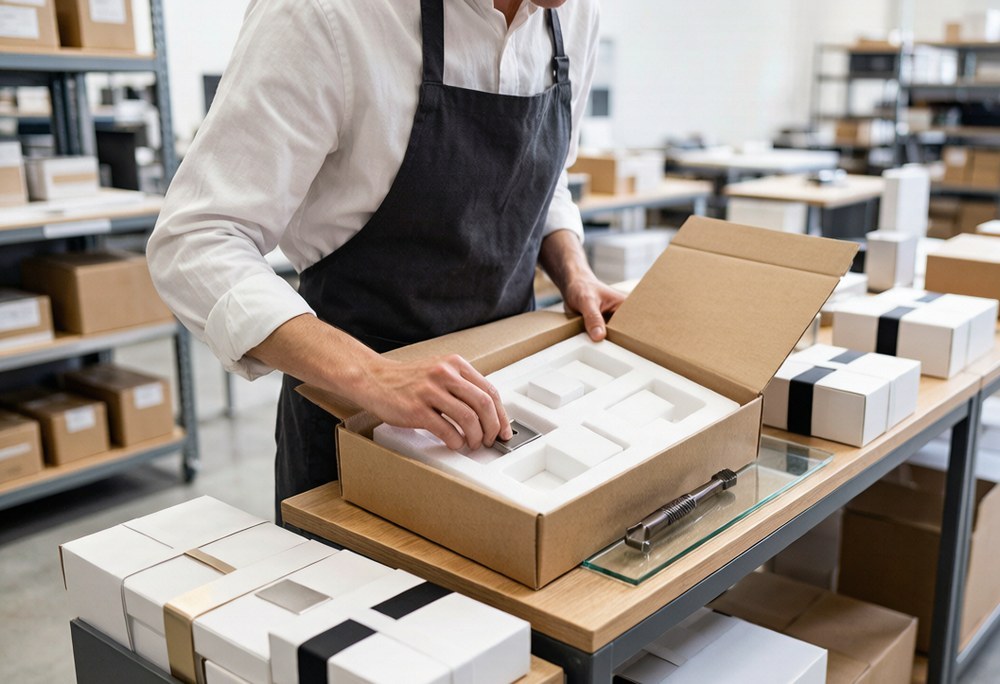
RND Sourcing sources white-label goods from vetted factories for fast turnaround, and develops private-label products end to end: factory selection, customization, sampling, custom packaging, independent inspection, and compliant shipping. Transparent fees with no supplier kickbacks keep your margin where it belongs.
- White-label sourcing from Yiwu's market and clusters.
- Private-label customization, tooling, and packaging design.
- Trademark and compliance guidance for your market.
- QC and FBA-ready prep before export.
Conclusion
Choose white label for speed and low risk; choose private label to build a defensible, higher-margin brand. Most serious Amazon and Shopify sellers land on private label. To scope either model, talk to our team on the contact page.
What is the difference between private label and white label?
White label puts your logo on an unchanged generic product; private label customizes the product, packaging, or design so it is unique to your brand and harder to copy.
Which is more profitable?
Private label is more profitable, with margins around 30-50% and selling prices 22-35% above comparable white-label items per Helium 10 seller data.
Which has a lower minimum order quantity?
White label usually has the lowest MOQ because the product already exists; private label MOQs rise with customization and tooling.
How long does private label take to launch?
About 8-16 weeks from a validated idea to a live listing, most of it sampling, production, and shipping; start branding work in parallel to avoid delay.
Is private label better for Amazon?
Yes for most sellers: 67% of Amazon sellers use private label, and it unlocks Brand Registry, better differentiation, and FBA scale that white label generic goods cannot.
Deciding between private and white label? Send us your product idea and RND will match the right model, factory, and packaging.
Work With RND Sourcing
RND Sourcing is your on-the-ground sourcing team in Yiwu, helping global buyers find reliable factories, negotiate better terms, and ship with confidence. For a free, no-obligation consultation, visit yourchinagent.com.


