
The Unannounced Second Visit: A Tactic That Catches 40% Capacity Lies
The Visit They Cannot Rehearse
Every experienced buyer has sat through the same tour. The line is running your product, the workers are at their stations, the sample shelf is immaculate, and the general manager's English is fluent. Two weeks later your first shipment is late, and the factory that promised two hundred workers cannot field eighty. Nothing was dishonest about the factory you saw - but the factory you saw was staged.
An announced visit is a performance the supplier has rehearsed for. A growing set of audit practitioners and social-compliance frameworks now say this openly: audit firms such as those working to the SMETA (Sedex) and amfori BSCI frameworks recommend supplementing announced audits with unannounced follow-up visits precisely because a factory that knows the date can prepare for it. The Ethical Trading Initiative's Base Code work has documented the same gap for years - audit pass rates bear little relationship to day-to-day conditions when the auditor is expected.
The tactic that closes this gap costs almost nothing to arrange and, in practitioner experience, finds significant discrepancies in roughly one out of every three unannounced audits. Schedule two visits. The first is announced and normal. The second is not: one or two days later, at a different hour, without warning. This guide is how we run that second visit from our Yiwu base - what it reveals, how to set it up without leaking it, and what to do with a forty per cent capacity gap once you have caught one.
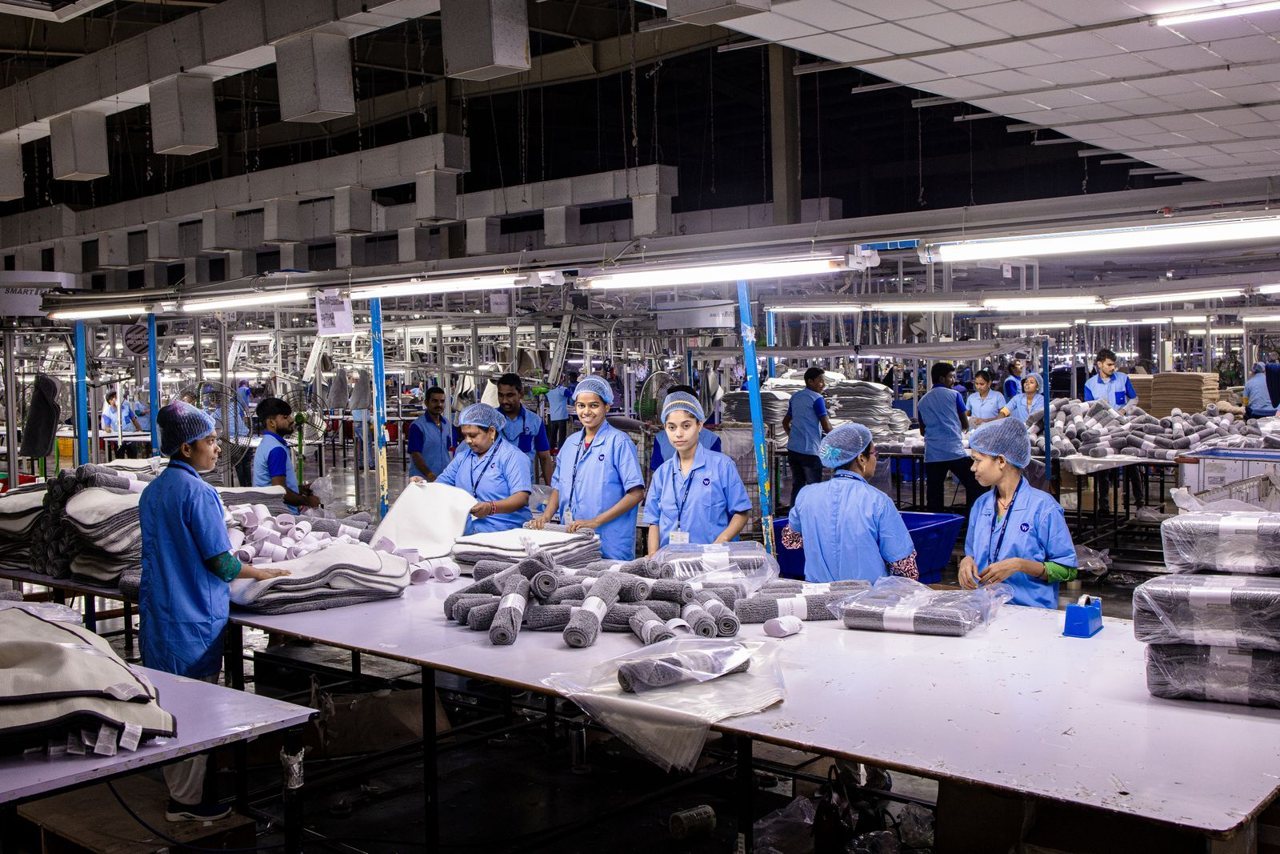
Why the Announced Visit Is a Performance
Staging a factory is a known service with known mechanics, not a conspiracy theory. Supply-chain audit teams that verify capacity claims for bulk hardware contracts describe the same playbook repeatedly: for a pre-announced audit, factories rent extra machines from neighbouring facilities for the day, bring in temporary line workers to inflate headcount, and stack dummy finished pallets to make the order book look busy. One practitioner documented workers being bussed in from another site to lift an apparent workforce from thirty to a hundred and twenty for a single morning.
The arithmetic of a staged visit is forgiving to the stager. A buyer spends four hours on site, once. The factory spends that same day presenting a version of itself it has assembled for the occasion, and then returns the rented machines and the borrowed workers before the buyer's flight lands. Nothing in that exchange tests whether the operation repeats. Capacity, after all, is a claim about repetition - what a line sustains across shifts, weeks and months.
This is why certification alone does not settle the question. A factory can hold a valid ISO 9001 certificate and still lack the workers or the material stock to hit your volume, because ISO 9001 audits the documentation system, not the throughput. The certificate tells you the factory is good at preparing for visits. The second visit tells you how it behaves the rest of the year.
What the Unannounced Second Visit Reveals
The discrepancies a surprise visit surfaces are consistent across practitioner case files, because they are exactly the things a factory must rent, borrow or rehearse to fake:
- Lower headcount on shift. The announced tour shows the full staff, complete with hired extras. The surprise visit shows who is actually employed - and a shift running at sixty per cent of the claimed workforce rewrites your lead-time arithmetic immediately.
- Different or missing machines. The rented presses and injection moulders have gone back to the neighbour. The equipment list on the wall no longer matches the floor, and serial numbers reveal which machines are genuinely owned.
- The wrong product running. A factory that claimed your line is dedicated is producing for someone else - which tells you your place in the queue, not the one in the slide deck.
- Slower pace. Mid-shift speed is the real speed. A line that only sprints when a buyer is watching has been rehearsed, not managed.
- Different management on duty. Who actually runs the floor when the general manager is absent reveals the organisation's real depth - and whether the person you negotiate with has any authority over production.
None of these findings requires an auditor's credentials to observe. They require only that nobody saw you coming.
The Case Files: Forty Per Cent of the Claimed Capacity
The headline number in this article's title is not rhetoric. It is the documented gap between claimed and observed capacity that turns up when a factory cannot prepare. Consider three cases from practitioner records, plus the base-rate data behind them:
| Documented case | Claimed | Found | Gap |
|---|---|---|---|
| Injection-moulding supplier (2024, second-visit protocol) | 200 workers, 50 machines | 80 workers, 22 machines | Actual capacity 40% of claim |
| Stamping factory, Ningbo (2021 walk-through) | 22 presses, 80,000 pcs/month | 11 presses, 3 down for maintenance | ~47,000 pcs - 40% overstatement |
| Toy factory, Shantou (2020 floor observation) | 300,000 units/month | 8 moulding machines, 3 with cracked taped moulds at 60% speed | ~180,000 units, 9% defect rate |
Behind individual cases sits a base rate. A sourcing company with seven years of South China hardware audits reports that 68% of factories claiming an 80,000-unit monthly output can consistently deliver only 45,000 to 65,000 - a 20 to 40 per cent shortfall that typically surfaces three to six weeks after the contract is signed, in penalty fees and emergency air freight rather than in negotiation. Another practitioner's hybrid programme across twelve supplier audits in a single year found five factories with significantly lower worker counts on the unannounced visit; in one, headcount fell from forty on the announced tour to nineteen on the follow-up, and the owner admitted borrowing staff from a neighbouring plant for show audits.
The lesson compounds: the factories that stage visits are not a rare deviant case. They are close to the norm, and the second visit is the only instrument cheap enough and sharp enough to measure the gap before you have paid for it.
Setting Up the Second Visit Without Leaking It
A surprise visit that leaks is an announced visit that arrives late. The setup discipline matters more than the surprise itself:
- Book your own transport. Never let the factory arrange the car. The driver who collects you also calls ahead, and a thirty-minute warning is enough to move people, start rented machines and sweep the aisle. If you work with a sourcing agent, say explicitly that a leak ends the engagement - a good agent treats confidentiality as the entire job.
- Pick the hour for the answer you need. The two highest-yield windows are the start of the morning shift, roughly 6:30 to 7:30 a.m., when you can watch the shift change and count real attendance, and late afternoon, 4 to 6 p.m., when management attention has drifted and the pace settles to its true level.
- Separate the visits by one or two days, at a different time of day. Same week, different rhythm. If the second visit lands on the same weekday and hour as the first, you are measuring the factory's preparedness twice.
- Arrive with a purpose that survives questioning. An itinerary change, a sample pickup, a payment visit - any routine reason that gets you through the gate without a prepared welcome.
Expect confusion at the gate: phone calls, a request to wait in the meeting room "while we find the general manager." Be polite and immovable. Thank the receptionist, say you will wait for the manager while looking at the floor, and walk. The first twenty minutes are the most valuable of the entire audit, because nobody has yet had time to move, hide or explain anything.
The First Twenty Minutes: A Reading Order
Walk the floor in this order and the factory will tell you its real story before anyone has been briefed:
- Count the shift. Not the payroll - the people physically at stations right now. Compare it with the claim and with the canteen and dormitory scale, which are hard to fake quickly.
- Identify what is running. Which product, for whom, at what pace. If your order was promised to start on the 15th and the line is running another customer's goods on the 17th, you have learned your place in the queue.
- Read the machines. Count running, idle and disassembled units against the equipment list. Ask an operator how long the machine has run today; four hours against an eight-hour shift means partial shifts and half the claimed output. Rust where there should be oil is the real maintenance log.
- Look at the work in progress. Mountains of WIP between stations mean bottlenecks; empty stations mid-shift mean no orders.
- Inspect the defect handling. A defined bin, a ticket, a recording step - or a corner where rejects are tossed and later swept back into the stream. The corner-toss is the most common quality shortcut in small factories, and it ships in your container.
- Talk to workers, unscripted. How long have you worked here? How many hours last week? Have you seen this product before? The answers at 7 a.m. on a surprise visit are the real answers; announced-visit interviews are rehearsed by definition.
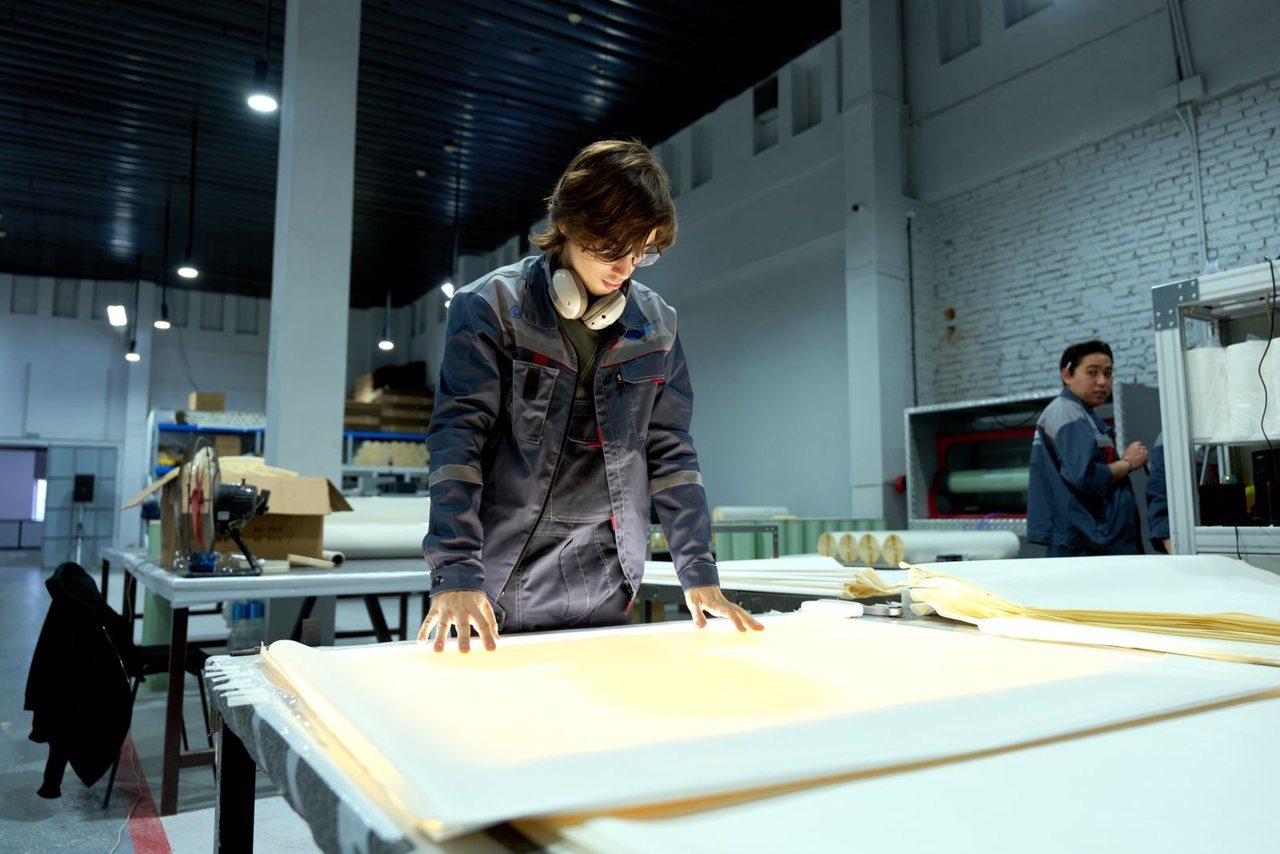
Twenty honest minutes produce a capacity and honesty picture that four staged hours cannot match, because the announced visit measures preparation and the surprise visit measures operation. Treat the floor as the primary source and management's narrative as secondary, and the gap between them becomes the finding.
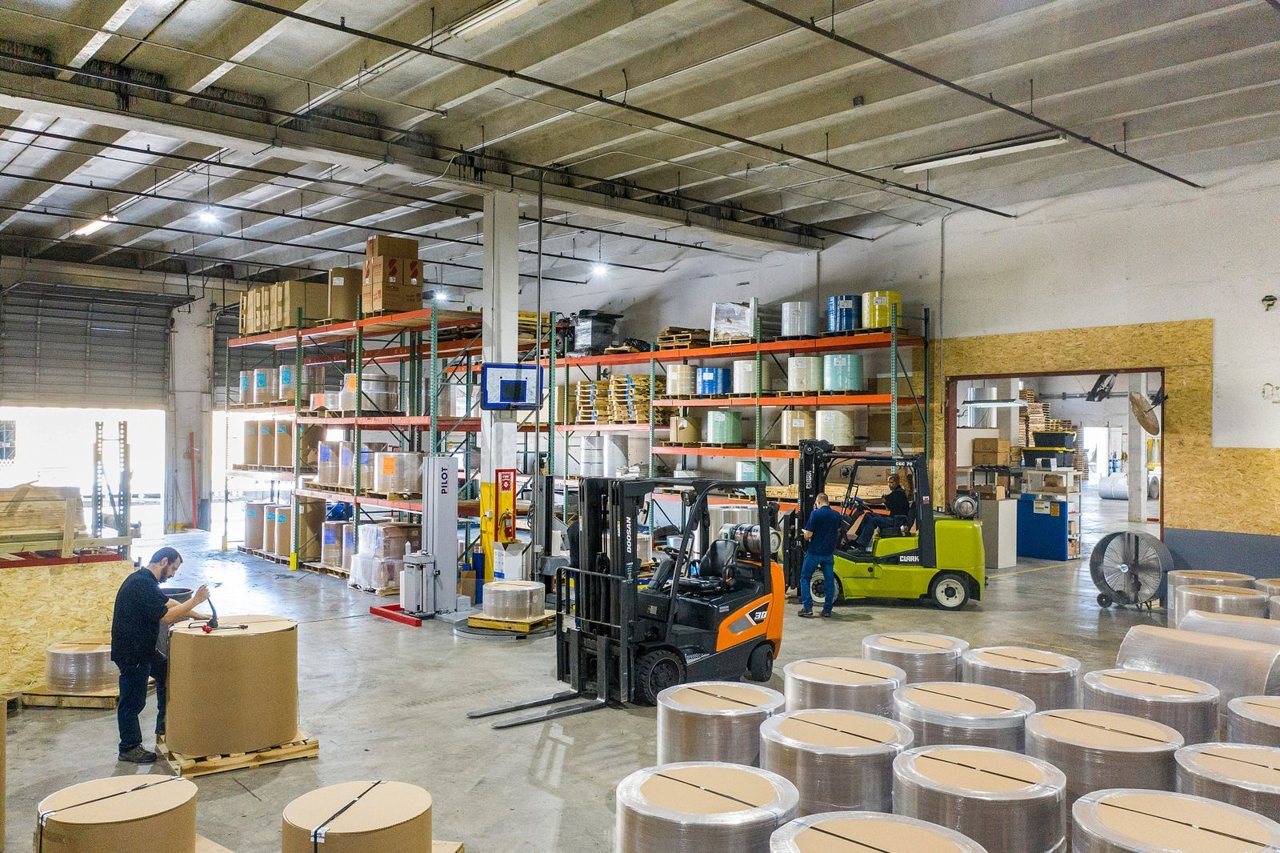
End the walk in the finished-goods warehouse, which tells the truth about the order book. Goods for several customers stacked with no visible rotation mean your lead time is a negotiation, not a promise. Boxes with no labels or dates mean the factory cannot track its own output - or yours. A warehouse that matches the claimed shipment flow, with dated, labelled, staged consignments, corroborates everything the floor claimed; a nearly empty one refutes it in a single glance.
The Semi-Announced Middle Path
A fully unannounced visit carries one operational risk: you can arrive to a locked gate, an out-of-town owner and a wasted trip. The compromise most audit firms recommend is the semi-announced visit - you agree a window ("sometime in the next two weeks") but not the date. The factory cannot stage a specific day, and you retain access.
Best practice for high-risk suppliers is to mix the three: an announced audit for document access and systems review, and short-notice or unannounced follow-ups for floor truth. Social-compliance programmes built on SMETA and amfori BSCI take the same structure for the same reason - announced audits verify that systems exist, unannounced visits verify that they operate. For repeat suppliers, a quarterly scheduled audit plus one unannounced visit a year is a proportionate cadence; for a first order, never rely on the announced visit alone.
Where physical visits are impractical, the same logic transfers to video. Insist on a live, continuous, unedited floor walk rather than a recorded tour, open a live work order in the factory's own system on camera, and change what you ask to see halfway through. A factory that genuinely produces complies in minutes; a trading company steers you back to the showroom.
From Finding to Consequence: What a 40% Gap Is Worth
A surprise visit is only valuable if the finding changes the deal. Practitioner scorecards grade the announced-versus-observed match: a 90 to 100 per cent match proceeds with routine quality control; 75 to 89 per cent proceeds with a corrective-action plan before payment; 50 to 74 per cent is a hard stop without structural change. A forty per cent capacity finding lands in the last band by definition - and that is exactly where its negotiating value sits.
Handle a caught gap in this order. First, re-derive the real numbers with the supplier present: observed machines, cycle time, shifts, real headcount, and a recalculation of sustainable monthly output. Second, re-scale the commitment to the verified number - the documented Ningbo stamping case ended with the buyer recalculating capacity at roughly 47,000 pieces against an 80,000 claim and renegotiating lead times before placing a $320,000 order. Third, protect the corrected promise contractually: quarterly capacity reservations, shipment-window penalties, and an explicit right of unannounced verification written into the supply agreement, so the second visit becomes a standing clause rather than a one-off ambush. Fourth, decide honestly whether a supplier whose floor runs at forty per cent of its pitch is a factory you can scale with, or a factory you should keep for overflow volume only.
What you must not do is walk away angry and say nothing. A caught gap, handled professionally, is the beginning of a real conversation about capacity - and suppliers who have been caught usually become dramatically more accurate in their second set of numbers.
When the Second Visit Earns Its Cost
Deploy the tactic where a capacity lie does the most damage:
- Capacity-driven timelines. Any delivery promise that depends on a claimed output figure - a retailer reset date, an FBA restock window, a seasonal launch - deserves verification before the promise becomes your problem.
- High-value first orders. The first substantial order with a new supplier is the single highest-leverage moment in the relationship. It is the only time the buyer still holds all the alternatives.
- Volume commitments. A twelve-month contract priced against an inflated capacity number locks in shortfall penalties for a year. Verify before signing, not after the third missed shipment.
- Post-incident verification. One late delivery is a data point; the unannounced follow-up tells you whether it was an accident or a system.
On cost: third-party audits of a standard man-day run roughly USD 300 to 600 through the major firms, with fuller capability and social-compliance scopes above that, and unannounced visits typically carry a 30 to 50 per cent premium over the announced base because of scheduling overhead. Against a documented average loss of tens of thousands of dollars per failed shipment - return freight, repackaging, missed shelf windows - the second visit is the cheapest insurance policy in the sourcing toolkit.
References
- Chinaispp, "How to Find Reliable Chinese Suppliers Without Getting Scammed in 2026" - the Second Visit Protocol; 2024 injection-moulding case (200 workers / 50 machines claimed vs 80 / 22 found, capacity at 40% of claim); audit-grade decision framework; hybrid 12-audit programme findings.
- Chinaispp, "How Do You Run a Supplier Audit in China That Catches Real Problems, Not Just Paperwork?" - surprise-visit logistics (self-booked transport, 6:30-7:30 a.m. and 4-6 p.m. windows, the first twenty minutes); Ningbo stamping case (22 presses claimed, 11 found, ~40% overstatement) and Shantou toy-factory case (300,000 claimed vs ~180,000 units at 60% speed, 9% defect rate).
- Eastar SCM, "How to Verify a Factory's 80k Unit Monthly Output for 12-Month Bulk Hardware Contracts" - 7-year audit dataset: 68% of factories claiming 80k+ units/month consistently deliver 45k-65k; staging mechanics (rented machines, temporary workers, dummy pallets); unannounced floor visit 2-3 business days after document review.
- ChinaMakersHub, "China Factory Audit Checklist: 27 Points to Verify On-Site" - announced vs unannounced vs semi-announced visits; audit cost benchmarks (USD 300-600 per man-day); structured live video audit method.
- ET2C International, "Factory Audits: Essential Supplier Compliance Best Practices" - audit-washing; SMETA (Sedex) and amfori BSCI guidance on supplementing announced audits with unannounced follow-up visits and independent worker interviews; Ethical Trading Initiative Base Code findings on the gap between audit pass rates and working conditions.
- TradeAider, "How to Conduct a Supplier Audit: A Step-by-Step Guide for Importers" - announced vs unannounced audit definitions and best-practice mixing for high-risk suppliers.
- Chinaispp, "What Is the Right Way to Conduct a Factory Audit in China?" - headcount staging case (30 to 120 borrowed workers); 12-audit hybrid programme with 5 of 12 headcount discrepancies and the 40-to-19 worker case.


