
How can I develop a product without holding huge inventory?
Direct Answer
Build on a small-batch ladder: a prototype, then an engineering sample, then a 50-200 unit test run. Sell that test batch through a pre-sale page or pre-orders before you commit to tooling and mass production. Crowdfunding campaigns and customer pre-orders can fund the production run itself, so you are not carrying a warehouse of unproven inventory. Only scale once real orders prove the product. RND SOURCING structures this ladder in Yiwu - sampling, small-batch runs, and consolidated shipping - so clients test demand with a few hundred units, not a full container.
Detailed Explanation: The Small-Batch Ladder
Inventory is the silent killer of new brands. The ladder caps your risk at every step so the most you can lose is a few hundred units.
- Prototype A hand-built version that proves the concept works at all.
- Engineering sample A workshop-built unit that proves it can be made to spec and cost.
- Small-batch test (50-200) A real production run, small enough to risk, big enough to learn from.
- Scale only on proof Tooling and mass runs come after the test batch sells, funded by its own demand.
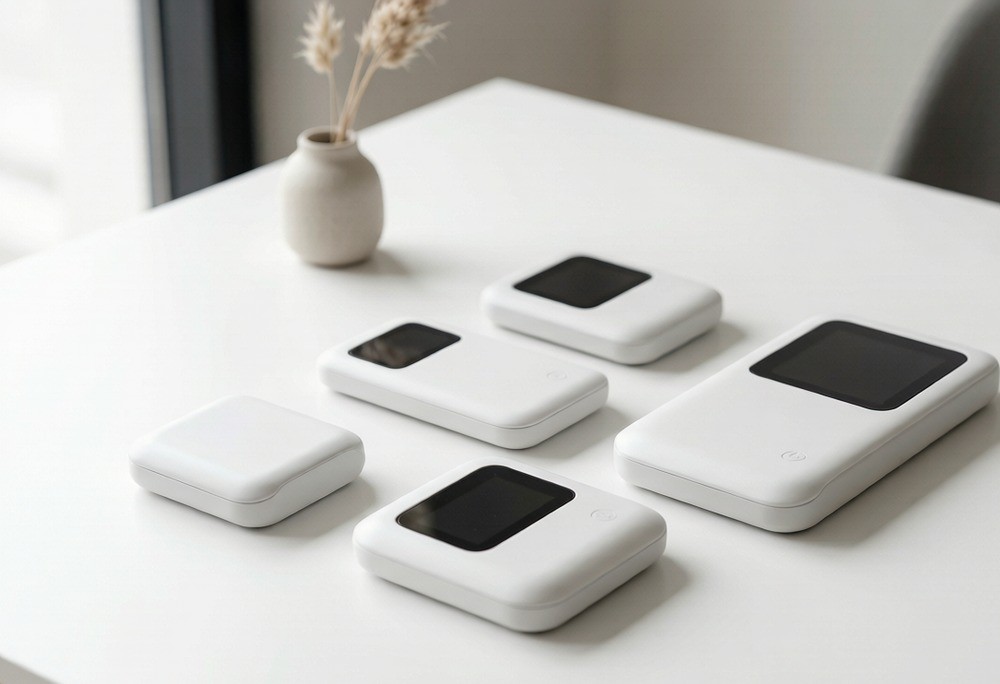
Real-World Example: The Door-Mount Resistance Anchor
A UK fitness brand wanted a door-mount resistance-band anchor but feared a container of dead stock. RND SOURCING built the sample in Yiwu, then ran a 120-unit test batch promoted through a $40 Spark ad on TikTok.
The batch sold out in nine days. RND SOURCING used the pre-orders to fund a 5,000-unit mass run, consolidated into one shipment.
Key Data: Small Batch vs Container
The gap in risk between a test batch and a full container is the difference between a hiccup and a catastrophe.
Crowdfunding success rate was 41.98% per Statista (Jan 2025); the point is that pre-validated demand - via pre-orders or a test batch - de-risks the mass run.
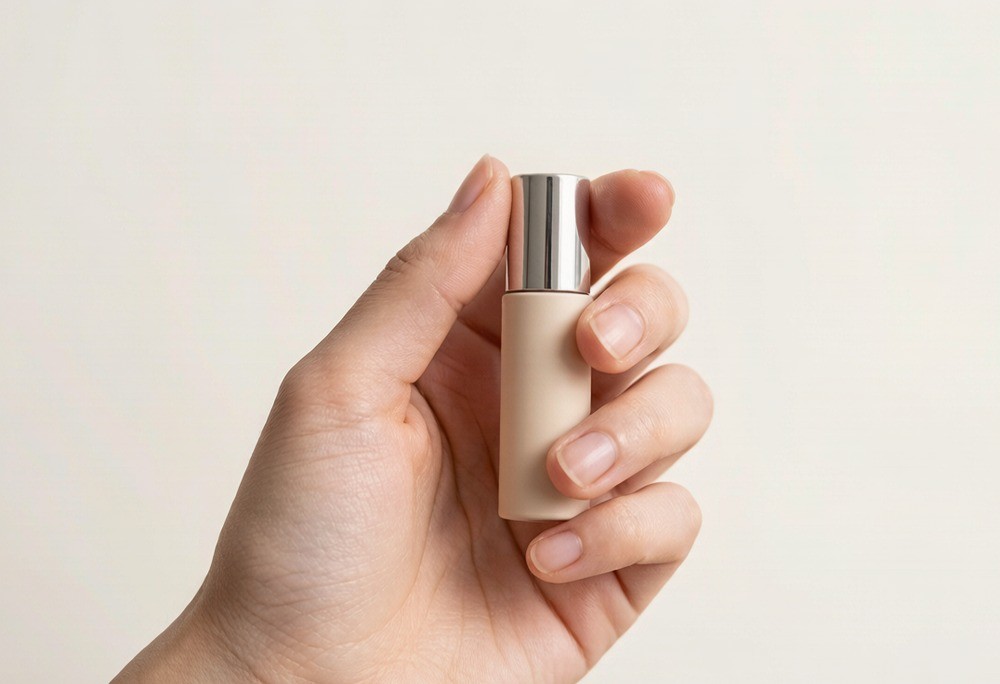
Step-by-Step: Build the Ladder
Each run pays for the confidence to take the next, bigger step.
Prototype and sample
Prove the product can be made and meets spec at a workshop like those RND SOURCING uses in Yiwu.
Set the test size
50-200 units. Big enough to ship and learn; small enough to absorb if it flops.
Open pre-sale or pre-orders
A landing page or crowdfunding campaign funds the test batch and proves intent.
Sell the test batch
If it moves without heavy discounting, the market has spoken.
Scale on proof
Commit tooling and a mass run only against real, paid demand. Consolidate shipping.
Common Mistakes With Inventory
How brands accidentally bury themselves in stock.
- Full container on a hunch A container is 10,000+ units of assumption. One wrong bet can end a brand.
- Too many SKUs in batch one Testing five colours at once teaches you nothing and doubles risk. Test one hero SKU.
- No pre-sale discipline Building stock before anyone paid is speculation, not validation.
- Ignoring the sell-through signal A test batch that needs 70% off to move is a no for mass production.

How RND SOURCING Keeps Stock Low
RND SOURCING designs the small-batch ladder for every client: we sample in Yiwu, run the 50-200 unit test, consolidate the scaled shipment, and only tool up against paid demand.
Our job is to keep your warehouse empty until the market has paid to fill it.
Ask RND SOURCING for an inventory-light planRelated Questions
- What are the steps from product idea to launch?
- How do I validate a product idea before spending money?
- What makes a winning product to sell online?
- Can I buy small quantities (low MOQ) at Yiwu?
- What is the minimum order quantity (MOQ) at Yiwu?

- RM 1213, Block B Shuguang Mansion, No. 188 Shangcheng Avenue, Yiwu 322000, China

- +86 13858941517
