
Should I pay 100% upfront to a Chinese supplier?
Short Answer: No, Unless You Want All the Risk
No. Standard safe terms are 30% deposit to start production, 30% after during-production inspection and 40% after pre-shipment inspection. Any supplier demanding 100% upfront without an inspection clause is a major red flag. For first orders, use Alibaba Trade Assurance so the payment releases only on verified shipment.
Why 100% Upfront Is the Single Highest-Risk Payment Structure
Once 100% of the payment has left your account, every single risk in the transaction shifts to you. Production delay, material substitution, quality defect, mis-shipment, regulatory non-compliance - all of these now happen to a supplier who has already been paid. The supplier's incentive to fix any of them collapses because their cash flow is no longer at stake.
A staged payment structure is not a sign of distrust. It is a sign of an experienced buyer. The most common structure at RND SOURCING is 30% deposit / 30% after during-production inspection / 40% after pre-shipment inspection, with the final 40% always paid against a passed inspection.

The Standard Three-Stage Payment Structure
Three payment stages, three points of leverage, three chances to catch a problem before it leaves the country. Most well-run Chinese factories will accept this structure without discussion.
30% deposit to begin production.
Paid against a Proforma Invoice signed by both parties. Material orders get placed, moulds get cut, the production schedule starts.
30% after during-production inspection (DPI) passes.
An accredited inspector confirms the line is producing against your specification. You still have leverage because the goods are only partly made.
40% after pre-shipment inspection (PSI) passes.
Final payment against a passed inspection on the bulk run. The goods are containerised only after this stage clears.
When 100% Upfront Is Acceptable - and When It Is Not
Case: The Custom Tooling That Disappeared
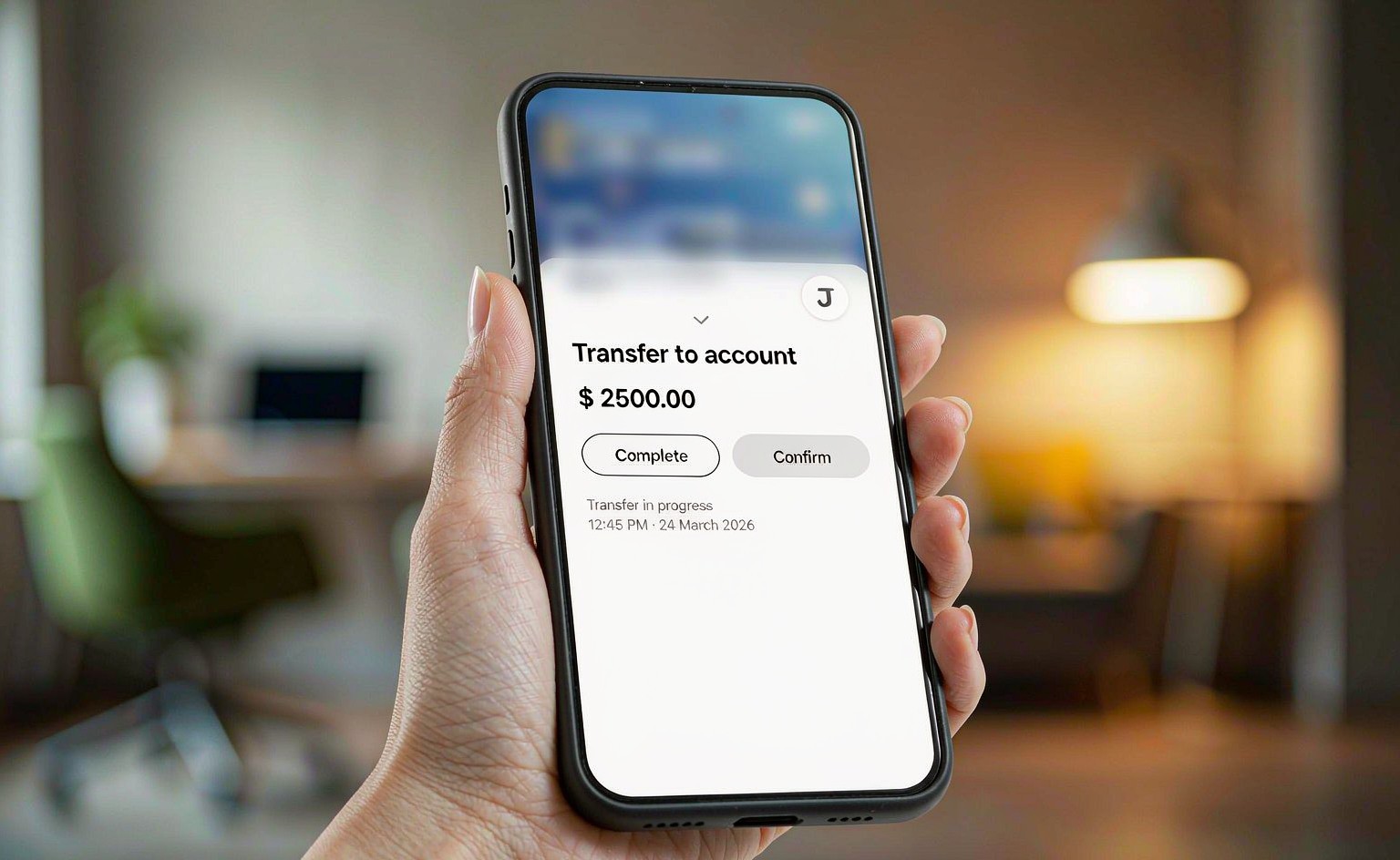
A buyer paid 100% upfront for a small custom-mould order. The factory confirmed receipt of funds and started the mould. Three weeks later, the buyer's emails went unanswered for ten days. When communication resumed, the factory cited a 'production schedule reshuffle' and offered a delivery date four months later.
The buyer's leverage was zero. The money had already been spent on moulds that the factory now owned. Negotiating an alternative delivery date or a partial refund was the only realistic outcome. The buyer eventually received about 70% of the order, six weeks late, with one mould dimension out of tolerance.
The structure that would have prevented this is straightforward: 30% deposit to begin the mould, 30% at first article inspection, 40% at pre-shipment. The supplier's tooling exposure is covered by the deposit, and the buyer's leverage sits in the remaining 70% until inspection passes.
How Trade Assurance Fits In
Alibaba Trade Assurance is the platform's escrow service. Your payment is held by Alibaba and released to the supplier only after verified shipment. It covers non-delivery and (partially) quality disputes, typically up to around $150,000 per order. It is the cleanest payment structure for a first order with a new supplier.
Trade Assurance has three limits. It does not cover counterfeits, IP/branding disputes or issues you discover after acceptance. Disputes require evidence - written specification, sample photos, signed acknowledgement. And it only works if you keep the order on-platform. Any supplier who asks you to switch to off-platform payment 'to save fees' is asking you to surrender your protection.
What to Do If a Supplier Insists on 100% Upfront
- Walk away from the order, not just the supplier. A factory that cannot survive a 30/30/40 structure has a cash-flow problem you do not want to inherit.
- Do not substitute 70% for 100% and call it a win. 70% upfront still transfers most of the buyer's risk. The 30% remaining is not enough leverage to recover a problem.
- Do not assume the supplier's risk story is your problem. Mould costs, raw-material prepayments, supplier cash-flow pressure - these are all real, but they are the supplier's business, not yours.
- Counter with a letter of credit. An LC from a tier-one bank satisfies the supplier's cash-flow need while keeping your leverage intact. Cost and lead time are higher, but the structure works.
How RND SOURCING Handles Payment Structure
We default to 30/30/40 against inspection milestones, or to Trade Assurance for first orders. If a buyer wants a different structure, we discuss it before the Proforma Invoice is issued. The discussion is not adversarial. Most suppliers accept the standard structure because they understand that a buyer who agrees to 100% upfront is a buyer who has not thought carefully about the order.
We also accept letters of credit and on-platform escrow. We are not in a position to require them, but we recommend them when the order size and the supplier relationship make sense.
If a supplier pushes back on a standard staged structure, we treat that pushback as one of the most informative signals in the entire verification process.
Ask us to draft a payment structure for your next orderRelated Questions
- What are standard payment terms with Chinese suppliers?
- Is T/T (bank transfer) safe for China orders?
- What is Trade Assurance and does it really protect me?
- What are typical China sourcing agent commission rates in 2026?

- RM 1213, Block B Shuguang Mansion, No. 188 Shangcheng Avenue, Yiwu 322000, China

- +86 13858941517
