
What do EXW, FOB and CIF mean, and which should I choose?
Short Answer: EXW Is Cheapest but Most Work; FOB Is the Balanced Default; CIF Adds Freight Risk
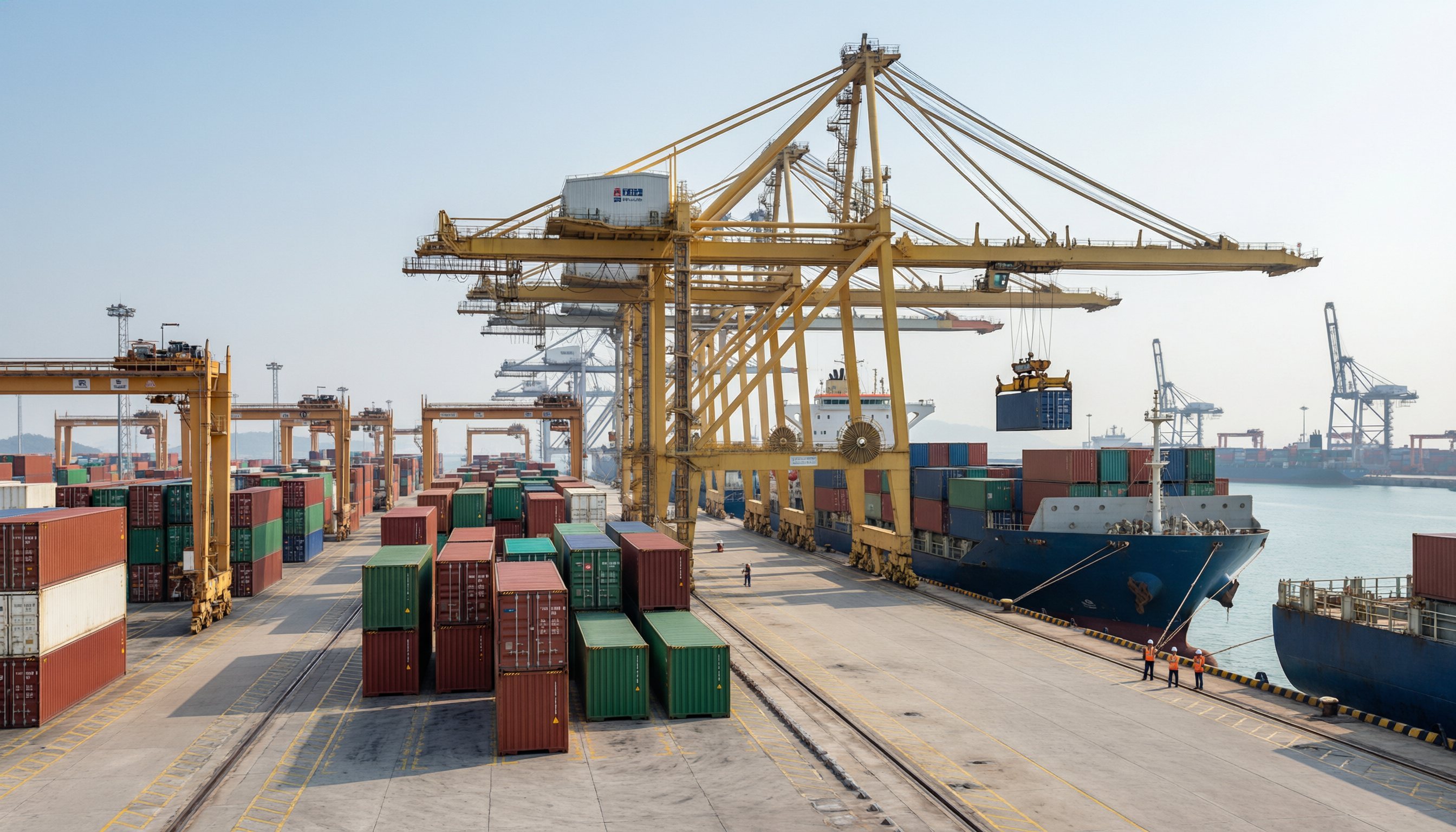
EXW (ex-works) means you collect goods at the factory gate, so you control everything after but arrange all transport yourself. FOB (free on board) means the seller delivers goods loaded onto the ship at the Chinese port, the standard choice for control and cost. CIF (cost, insurance, freight) means the seller pays ocean freight and insurance to your port, simpler but usually more expensive and harder to insure separately.
The Three Incoterms in Plain English
These are Incoterms, the standard who-pays-for-what rules in international trade. The difference is simply where responsibility and cost transfer from seller to buyer.
| Term | Seller pays until | Buyer handles from |
|---|---|---|
| EXW | Goods at factory gate | Everything: pickup, export, freight, import |
| FOB | Goods loaded on vessel at CN port | Ocean freight, insurance, import |
| CIF | Goods + freight + insurance to dest port | Import clearance, last-mile |
Which to Choose
- You have your own freight forwarder
- You want maximum control of cost
- You consolidate many factories
- You want a clear cost split
- You book your own freight (no markup)
- You are a first-time importer
- You want one invoice, less admin
- Shipment is small / simple
- You trust the seller's freight rate
Why FOB Is the Default for Most
FOB gives you a clean breakpoint at the Chinese port. You book ocean freight yourself, so no agent or seller can hide margin in shipping, and you keep control of the carrier and the timeline. For first-time importers it is the safest balance of cost and simplicity.

The CIF Insurance Trap
- Seller chooses the insurer You may not be the named insured, complicating claims.
- Freight markup built in CIF often hides a 10-30% spread on ocean rates.
- Hard to compare carriers You cannot shop freight if the seller books it.
Case: FOB Saved the Timeline
A CIF quote looked simpler but the seller's carrier had a 3-week wait. Switching to FOB let the buyer's forwarder book a 10-day sailing at a lower all-in rate, and the insurance was in the buyer's own name.

How RND SOURCING Handles Terms
We quote in the Incoterm you prefer and most often recommend FOB so you keep freight control. When you want EXW we coordinate pickup and export declaration; when you want CIF we still show the carrier rate so the margin is visible. Our consolidation across Yiwu means many small EXW pickups become one efficient export.
Talk terms with our deskRelated Questions
- FCL vs LCL - which should I choose?
- How do I estimate total landed cost?
- How much does sea freight from China cost in 2026?

- RM 1213, Block B Shuguang Mansion, No. 188 Shangcheng Avenue, Yiwu 322000, China

- +86 13858941517
