
What customs duties and tariffs apply when importing from China in 2026?
Short Answer: Duty Depends on Your HS Code and Destination - US HTS Plus Section 301, EU TARIC, UK Tariff, With De Minimis Largely Gone
Import duty from China is set by your product's HS code and your destination market. The US applies HTS rates plus Section 301 tariffs that still bite on many Chinese-origin goods (Lists 1-3 at 25%, List 4A at 7.5%), with Section 232 metals duties stacked on top and an effective China rate around 35% on typical consumer goods. The European Union uses TARIC (often 0-12% plus VAT) and the UK its Integrated Tariff plus VAT. Critically, the US $800 de minimis exemption was eliminated globally on February 24, 2026, so plan for duty even on small parcels. Classify correctly - misclassification is a compliance risk - and confirm the live rate on your customs authority's site.
Duty Depends on HS Code and Destination
There is no single 'China tariff'. Your product's HS (Harmonized System) code determines the rate, and each market maintains its own schedule. The same mug can be duty-free in one destination and 12% in another. The first task is always correct classification, because everything downstream - duty, compliance, paperwork - follows from that code.

United States: HTS Plus Section 301
US imports use the HTS schedule, and Chinese origin adds Section 301 tariffs that survived the 2026 court rulings. Lists 1, 2 and 3 carry 25%, List 4A carries 7.5%, covering roughly $370bn of goods; Section 232 adds 25% on steel and 10-25% on aluminium on top. Stacked together, typical consumer goods land near a 35% effective rate, with apparel at 40-60% and steel above 50%.
| US measure | 2026 rate | Scope |
|---|---|---|
| Section 301 List 1/2/3 | 25% | ~$370bn of goods |
| Section 301 List 4A | 7.5% | Remaining tranches |
| Section 232 steel | 25% | Stacks on top |
| Section 232 aluminium | 10-25% | Stacks on top |
| Effective China rate | ~35% typical | 40-60% apparel |
The De Minimis Shock of February 2026
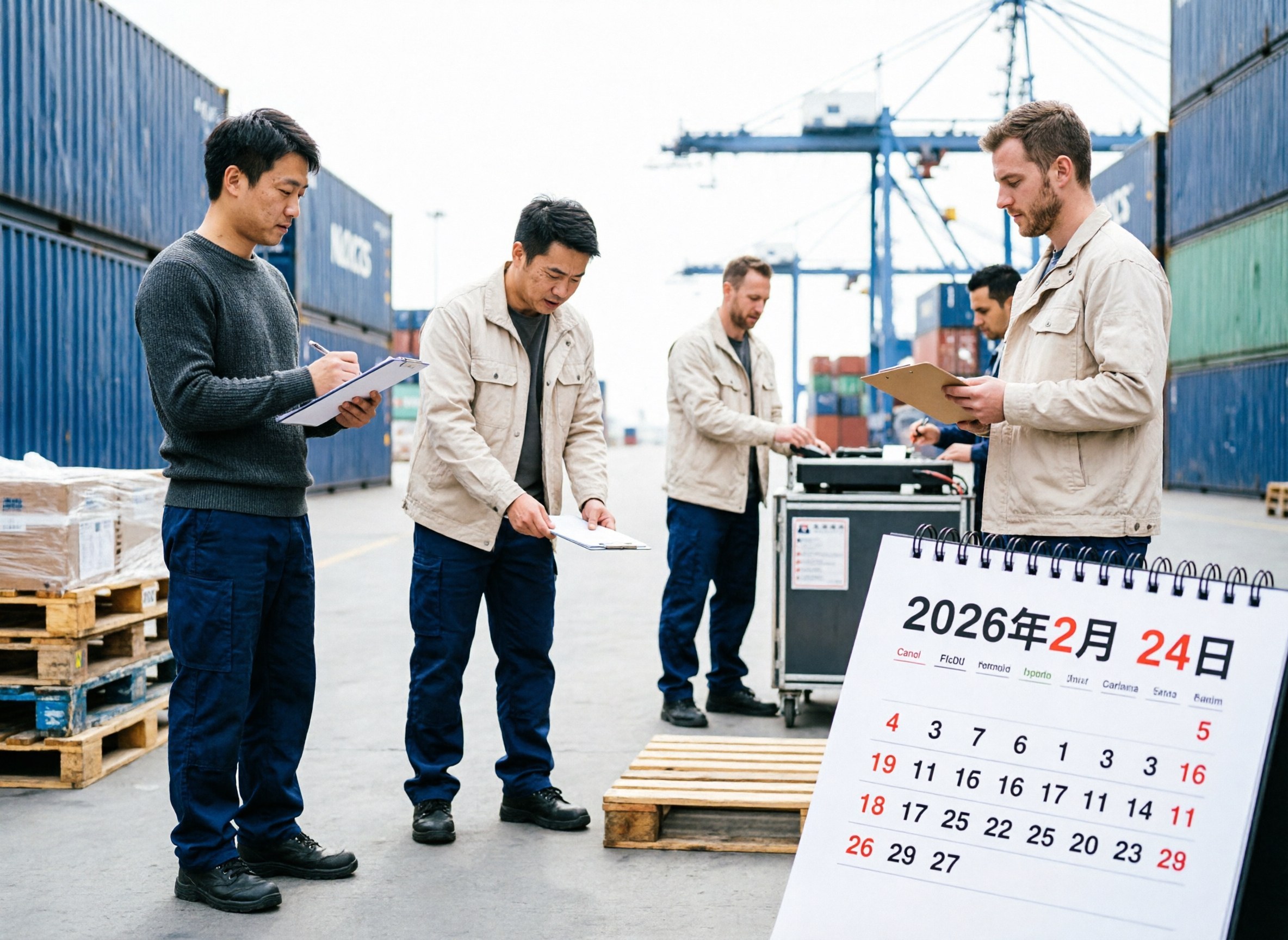
The single biggest 2026 change for small importers: the US $800 de minimis exemption was eliminated globally on February 24, 2026. Every shipment now needs a formal entry, and a new broker fee of $50-150 per informal entry appears for small importers who previously paid nothing. Most online FAQ content still quotes the old $800 threshold - it no longer applies.
- De minimis eliminated Globally, from Feb 24 2026 - no small-parcel exemption.
- Formal entry required Every shipment, regardless of value.
- New broker fee $50-150 per informal entry for small importers.
- Old $800 advice is wrong Most published content has not caught up.
European Union and United Kingdom
The EU uses TARIC, typically 0-12% plus VAT, and the UK its post-Brexit Integrated Tariff on a similar structure plus VAT. Both require correct classification and, for non-EU makers, a named Responsible Person under GPSR. Neither market applies the US Section 301 surcharges, but both enforce their own compliance marks (CE, UKCA) that China-origin goods must carry.
Misclassification Is a Real Risk
Picking the wrong HS code is not a rounding error - it is a compliance violation that can trigger penalties, seizure or a reassessment with back duty. Customs authorities keep records for five years (19 CFR 163 in the US), so a code chosen to shave a point of duty can surface years later. Use your broker or agent's classification and keep the rationale on file.
Get the code from your broker or agent
Do not guess from a web lookup alone.
Match the code to the actual product
Materials and function decide the rate.
Keep the classification rationale
Customs can ask years later.
Re-check on every new product
A new SKU is a new code.
Confirm the live rate on the authority site
Schedules move, especially in 2026.

Case: The $800 That Wasn't
The client shipped a $600 sample parcel expecting the old de minimis exemption to clear it duty-free. From February 2026 it needed a formal entry and a ~$90 broker fee, plus the product's HTS rate.
How RND SOURCING Handles Duty
We provide the HS code and estimated duty inside every landed-cost quote, using your broker's or our forwarder's classification rather than a guess, and we flag the 2026 de-minimis change on every small shipment so nothing sails expecting a free pass. We are not a customs broker and do not file entries, but we make sure the duty number in your model is the real one, not the one most blogs still publish.
Get duty estimated for your HS codeRelated Questions
- What documents do I need to import from China?
- What is DDP shipping and is it worth it?
- How do I reduce shipping cost from China?

- RM 1213, Block B Shuguang Mansion, No. 188 Shangcheng Avenue, Yiwu 322000, China

- +86 13858941517
