What are the steps for a private label order?
Short Answer: Lock Spec + Brand, Find a Capable Factory, Quote With Tooling, Approve a Pre-Production Sample, Sign PI, Deposit + Produce, Inspect at Every Gate, Then Label, Consolidate and Ship
A private-label order follows a disciplined path: (1) lock your specification and brand assets; (2) your agent shortlists a capable factory and confirms custom MOQ and tooling; (3) get a quote including mould and packaging setup; (4) approve a pre-production sample made on real tooling; (5) sign a detailed PI referencing the approved sample; (6) pay the staged deposit and start production; (7) run during-production inspection at 10-20% and pre-shipment inspection at 80%+; (8) apply labels and packaging per spec; (9) consolidate and ship. The non-negotiable steps are sample approval and inspection - private-label defects are yours alone to absorb, so verify at every gate. Your agent coordinates all of it and keeps the paper trail.
The Disciplined Path
Private label is a sequence, not a single purchase. Each step is a gate that either confirms the last or catches a problem before it scales. Skip one and the risk compounds through the rest.
Lock spec + brand assets
Logo, Pantone, packaging copy.
Shortlist a capable factory
Confirm custom MOQ and tooling.
Quote including setup
Mould and packaging as line items.
Approve pre-production sample
Made on real tooling.
Sign detailed PI
Reference the approved sample.
Deposit + produce
Staged, with inspection gates.
DPI at 10-20%, PSI at 80%+
Verify before balance.
Label + pack per spec
Then consolidate and ship.
Lock Your Spec and Brand Assets
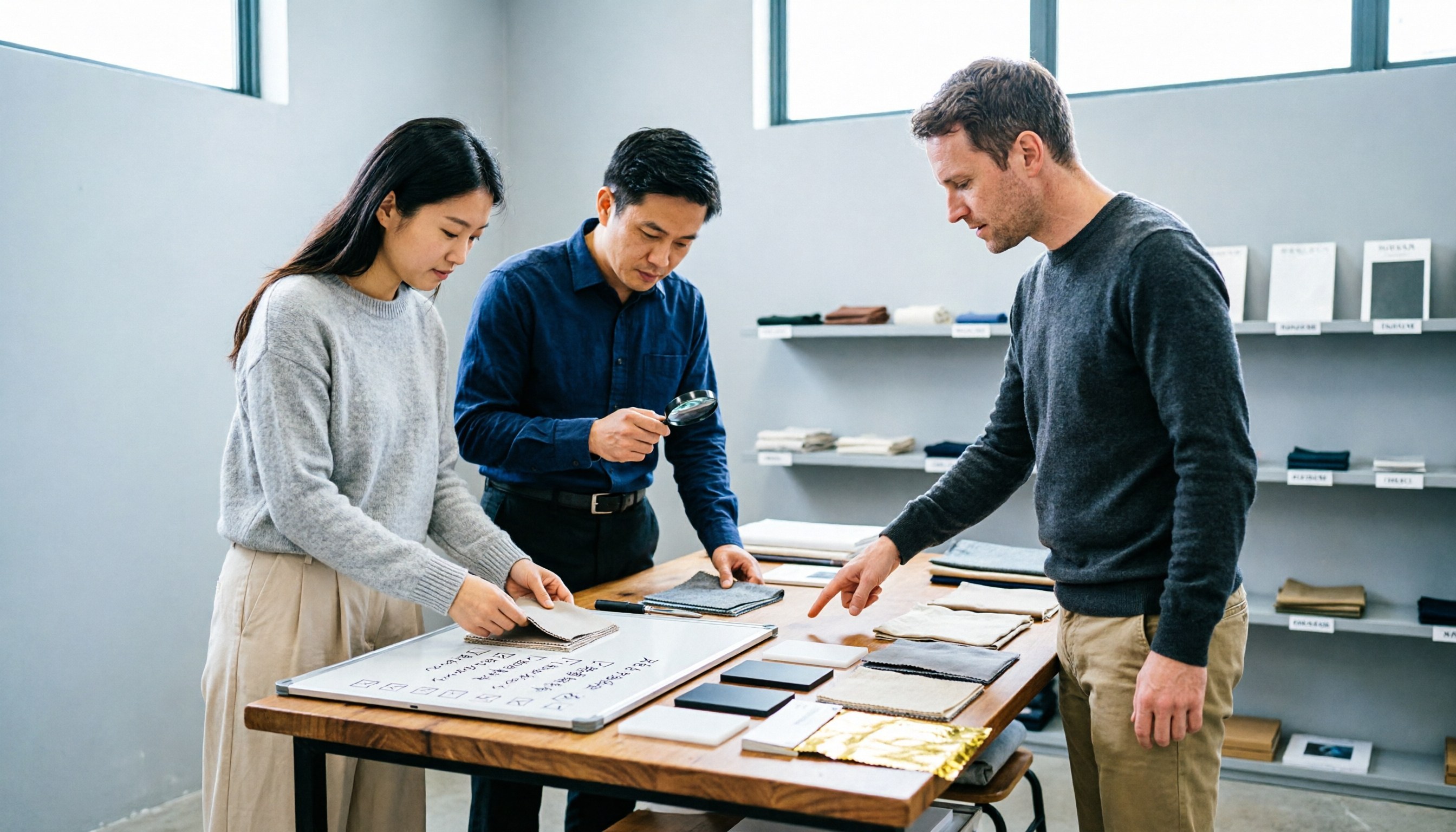
Before any factory is approached, your specification and brand assets must be fixed: exact logo files, Pantone references, packaging copy and any compliance claims. Floating specs are the most common cause of private-label defects, because every unclear point becomes the supplier's interpretation.
Quote Including Tooling
The quote must separate the unit price from the mould and packaging setup, because the setup is a one-time cost that distorts per-unit math if buried. Knowing the tooling fee also tells you the true break-even and whether the order size justifies the customization.
Approve the Pre-Production Sample
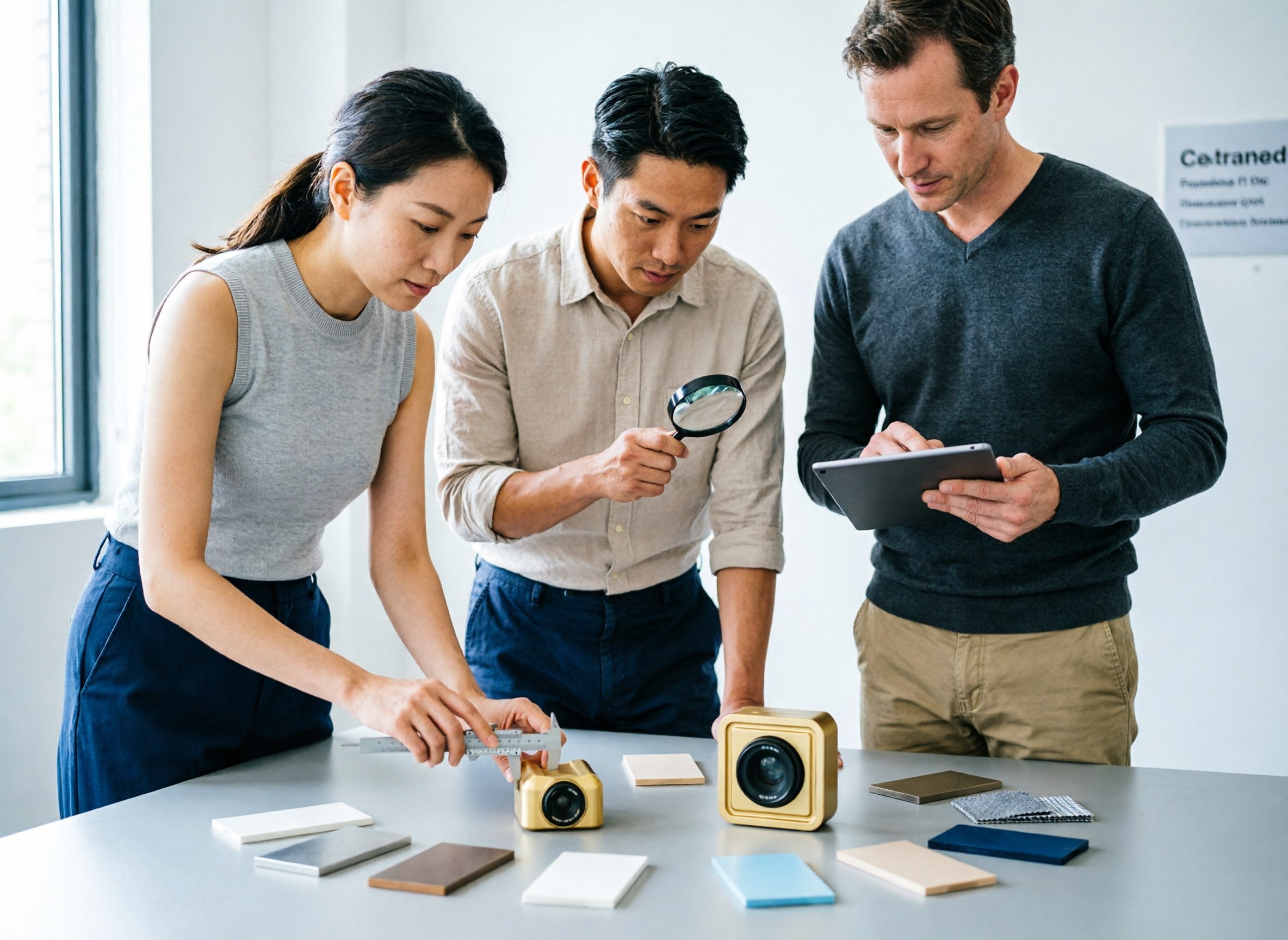
This is the gate that protects the whole run. The approved sample, made on real tooling, becomes the reference in the PI - so 'like the sample' is enforceable, not a hope. Approve it in writing and photograph it; everything after is measured against it.
Inspect at Every Gate
Private-label defects are yours alone to absorb - there is no brand owner upstream to push them back to. That is why during-production and pre-shipment inspection are non-negotiable: DPI at 10-20% catches process faults cheaply, PSI at 80%+ confirms the finished goods before you release the balance. Verify at every gate; the label is your name on the failure if you do not.

Case: The Sample That Saved the Run
The brand fixed the spec, approved a pre-production sample on real tooling, and referenced it in the PI. At PSI the inspector found a misprinted Pantone on 12% of units - within AQL but the brand had set a tighter bar.
How RND SOURCING Runs Private Label
We coordinate the whole chain - spec lock, factory shortlist, tooling quote, sample approval, PI, staged production and inspection at both gates - and we keep one paper trail from brief to shipment. We treat sample approval and inspection as non-negotiable because a private-label defect carries your brand, not ours. Tell us the bar you need; we enforce it and release your balance only on a passing PSI.
Run your private-label order end to endRelated Questions
- What is the MOQ for custom packaging or logo?
- Can I customize a product I found on 1688 or Alibaba?
- How much does custom packaging cost in China?

- RM 1213, Block B Shuguang Mansion, No. 188 Shangcheng Avenue, Yiwu 322000, China

- +86 13858941517
