
What is the difference between OEM and ODM?
Direct Answer
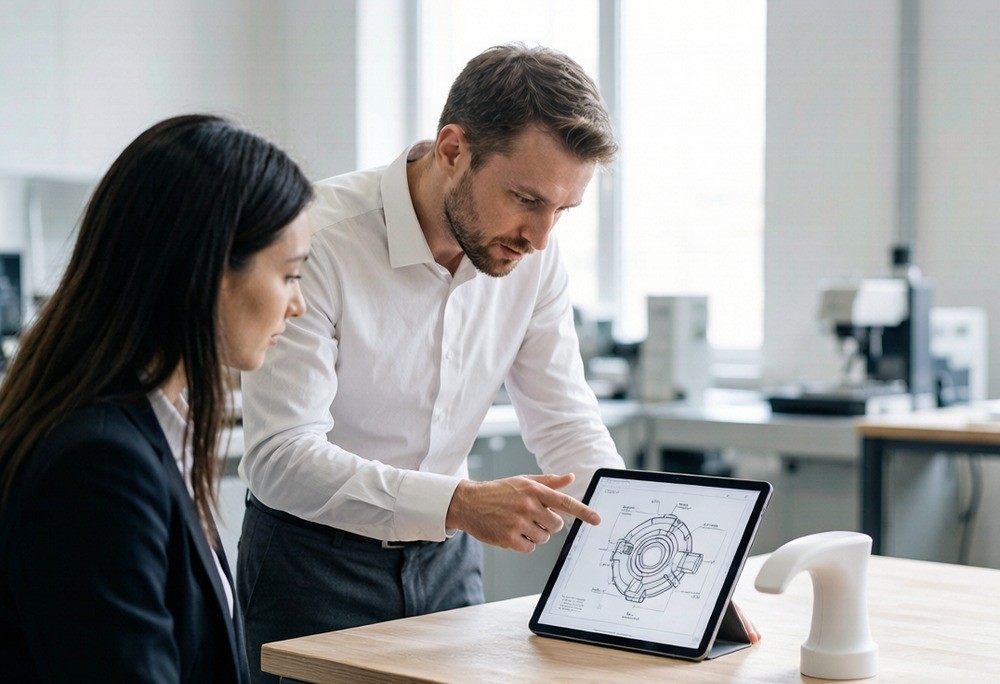
OEM (Original Equipment Manufacturing) means you supply the product design, CAD files, and specifications, and the factory manufactures to your drawings — so the design and tooling are yours and the product is unique to your brand. ODM (Original Design Manufacturing) means the factory already owns a finished design that you rebrand with your logo and packaging, so the base design remains the factory's property and can be sold to your competitors. Pick OEM when differentiation and IP protection outweigh speed and low upfront cost; pick ODM to test a market quickly with little or no tooling investment.
Detailed Explanation: Who Really Owns the Product
The single difference that matters is ownership of the design. In OEM you are the designer and the factory is your production arm; in ODM the factory is the designer and you are a buyer of a finished concept with your label applied.
That one fact changes three things buyers care about: how defensible your product is, how much you pay before the first unit ships, and how long you wait. The model is not 'better or worse' — it is a fit question for your stage and strategy.
- OEM — you own it You hold the drawings, the tooling title, and the right to move production. Competitors cannot buy the same item.
- ODM — factory owns it The factory keeps the base design and may sell the same or a near-identical unit to other brands, sometimes within weeks.
Real-World Example: The 'Twin' Skincare Bottle
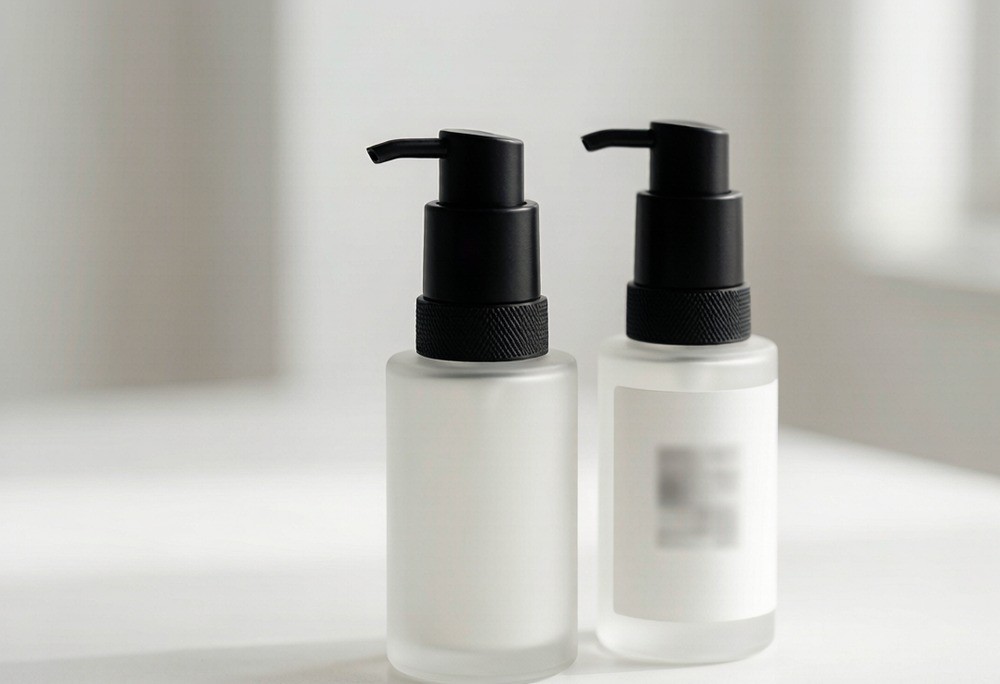
A US skincare founder came to RND SOURCING after picking an ODM airless pump bottle from a Yiwu supplier. The quote was attractive: no tooling, 500-unit MOQ, 40-day turnaround. She launched on Amazon and sold through the first run.
Four months later an almost identical bottle appeared under a competitor at a lower price — same factory, same mold, different label. Her 'unique' product was never hers. RND SOURCING re-scoped the line as a true OEM: a custom collar and pump actuator on tooling she now owns, plus an NNN and a mold-ownership clause.
Key Data: OEM vs ODM by the Numbers
The gap shows up long before shipment — in tooling, minimums, and the clock. Ranges reflect common China private-label practice observed by RND SOURCING across consumer goods.
ODM development cost typically runs about 40% lower than OEM because the design and tooling already exist (industry sourcing guides, 2025).
Step-by-Step: How to Choose the Right Model
Run these in order before you ask for a quote.
List your must-haves
Rank differentiation, speed-to-market, and budget. OEM wins on the first; ODM wins on the other two.
Ask who owns the drawings
If the factory says 'our design, you brand it,' you are in ODM and should expect resale.
Price both routes
Get an OEM tooling quote and an ODM unit quote, then amortize tooling over your forecast volume.
Protect the IP first
Before sharing any file, sign a China-law NNN and a mold-ownership clause (see our related FAQs).
Write the model into the PO
State OEM or ODM, the owner of tooling, and the exclusivity term in the purchase order.
Common Mistakes When Picking OEM or ODM
These are the traps RND SOURCING sees most often in first-time private-label programs.
- Calling ODM 'private label' Private label is not exclusive — the same design can ship to a rival within weeks of your launch.
- Skipping the NNN on OEM Even when you own the design, a factory can still leak or clone it without a China-law NNN.
- Comparing only unit price OEM looks expensive until you amortize tooling; ODM looks cheap until a copycat undercuts you.
- Forgetting the rebrand lag ODM's speed advantage disappears the moment a competitor lists the same factory's unit first.

How RND SOURCING Protects Your Model
RND SOURCING sits on the Yiwu floor every week and tells you plainly which model fits your stage. For OEM we negotiate tooling title, lock the golden sample, and inspect at AQL 2.5; for ODM we flag resale risk and register your brand in China before you list.
We also bundle the NNN and mold-ownership clauses into the same manufacturing agreement so 'unique' actually stays unique — and a copied design becomes a breach you can enforce.
Get an OEM or ODM quote through RND SOURCINGSide-by-Side: When Each Model Wins
| Factor | OEM | ODM |
|---|---|---|
| Design ownership | You (buyer) | Factory |
| Upfront tooling | $1,000–$50,000+ | About $0–$2,000 |
| MOQ | 1,000–5,000+ | 300–1,000 |
| Time to market | 3–9 months | 30–60 days |
| Defensibility | High (unique) | Low (resold) |
| Best for | Scaling DTC brand | Fast market test |
Tooling and timeline ranges are typical for mid-complexity consumer goods sourced via Yiwu (2025 industry guides).
Related Questions
- Who owns the mold/tooling when I pay for it?
- Does a Western NDA protect my design in China?
- Why does my sample look good but bulk production differ?
- What hidden costs are in an OEM quote?
- How do I negotiate OEM lead times and delay penalties?
- How do I tell if a Chinese supplier is a factory or a trading company?

- RM 1213, Block B Shuguang Mansion, No. 188 Shangcheng Avenue, Yiwu 322000, China

- +86 13858941517
