
Who owns the mold/tooling when I pay for it?
Direct Answer
Paying a tooling invoice does not automatically make the mold yours — under the PRC Civil Code (in force since January 2021) ownership follows what the written contract says, not who paid. To protect it, your agreement must state the tooling is your unencumbered property on final payment, that the factory is only a bailee (custodian) who must release it on written request, and that the mold is tagged with your name. Without that clause a factory can hold your paid mold hostage or run it for other buyers, and a foreign-court judgment is generally not enforceable in China.
Detailed Explanation: Payment Is Not Title
The invoice is the weakest proof of ownership. What decides a dispute is the contract language — and most off-the-shelf purchasing forms are silent on tooling, which Chinese practice can read as the factory's asset.
The cleanest structure is bailment: you own the steel, the factory stores and runs it only for your parts, and you may collect it any time. Physical marking (your company name + a tool number stamped on the mold) turns that into evidence a court can see.
- You own the tool Title vests on final payment; the factory is a custodian, not a co-owner.
- You may retrieve it Written request triggers return within a fixed number of days, with CAD and process data.
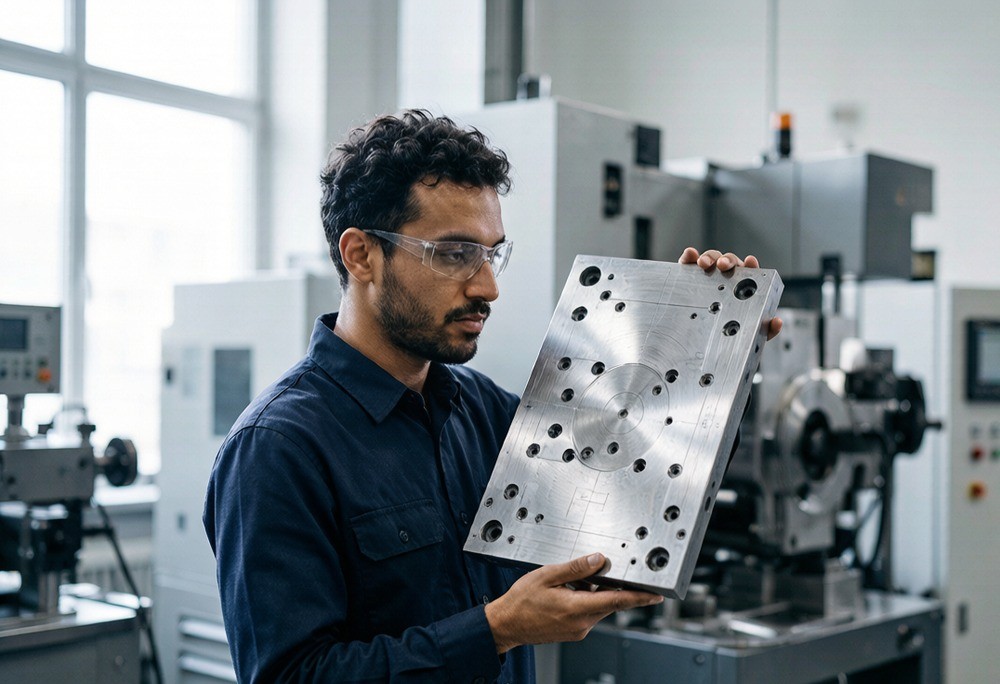
Real-World Example: The $200,000 Ransom We Avoided
A US buyer came to RND SOURCING after paying a Yiwu factory for three injection molds with no ownership clause in the PO. Eight months later the factory demanded a large 'release fee' to ship the tools to a new molder, citing a production halt that was costing the buyer real money every week.
Because RND SOURCING had inserted a bilingual mold-ownership addendum naming CIETAC as venue before any tooling was cut, we invoked the bailee and liquidated-damages clauses. The factory released all three molds within the contract window and handed over the full CAD set — no ransom paid.
Key Data: The Law and the Risk
The rules are contractual and local. China manufacturing counsel documents buyers who paid for tools then faced surprise 'exit fees' of 15–30% just to get them back.
Exit-fee range cited by QC/manufacturing counsel (Renaud Anjoran, Quality Inspection Tips); enforceability point per China contract-law practice.
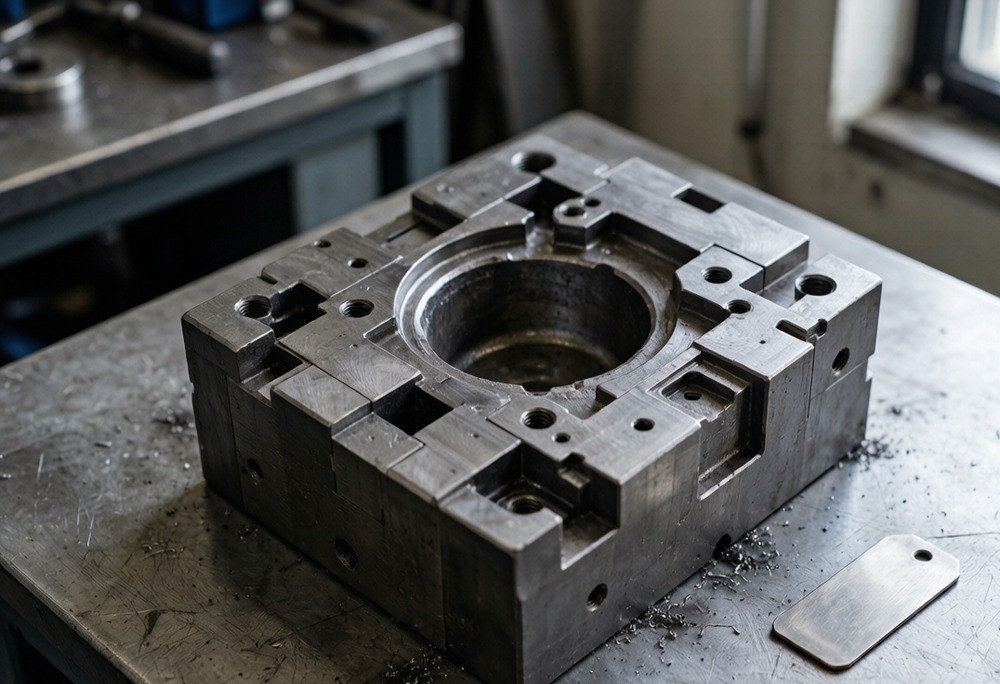
Step-by-Step: Lock Ownership Before You Cut Steel
Leverage is highest during quotation. Do this in order.
Sign the NNN first
Protect the design before any file leaves your hands (see our NDA FAQ).
Add a tooling addendum
State title, bailee duty, marking, release window, and data delivery.
Name the venue
Specify Chinese law and CIETAC (or a PRC court), not your home court.
Pay only after signing
Release tooling funds once both documents are executed.
Tag and log it
Stamp your name + tool number and keep the mold on your inventory log.
Common Mistakes That Lose the Mold
These are the gaps that turn paid tooling into someone else's asset.
- Silent or hostile contracts Vague 'tooling provided by supplier' language leaves title undefined and contests it.
- Bundled amortization Spreading mold cost into the piece price with no ownership clause makes the tool legally ambiguous.
- No physical tag Without your name stamped on it, the mold looks like the factory's inventory.
- Paying before signing Leverage collapses the moment funds transfer; negotiate ownership up front.

How RND SOURCING Protects Your Tooling
RND SOURCING writes the bilingual mold-ownership addendum into every OEM program before steel is cut, names CIETAC as the enforcing venue, and keeps your tools on a tracked inventory with your stamp. If a factory resists signing, that is itself a red flag we act on.
We also coordinate the physical transfer — disassembly, cleaning, crating, and a fresh T1 sampling round — so moving your mold never becomes a production fire.
Ask RND SOURCING to secure your toolingWhat Your Tooling Clause Must Say
| Clause | What it must state |
|---|---|
| Title vests | Buyer owns tooling outright on final payment |
| Bailee duty | Factory is custodian; runs only the buyer's parts |
| Release window | Return within a fixed number of days of written request |
| Marking | Mold stamped with buyer name and tool number |
| Data delivery | Full CAD set and last process sheet on request |
| Breach damages | Liquidated damages for failure to return |
Adapted from standard China tooling-agreement checklists used by manufacturing counsel (2024–2025).
Related Questions
- What is the difference between OEM and ODM?
- Does a Western NDA protect my design in China?
- What hidden costs are in an OEM quote?
- How do I negotiate OEM lead times and delay penalties?
- Is it safe to use a sourcing agent in China?
- How do I communicate with a sourcing agent if I don't speak Chinese?

- RM 1213, Block B Shuguang Mansion, No. 188 Shangcheng Avenue, Yiwu 322000, China

- +86 13858941517
