
Why does my sample look good but bulk production differ?
Direct Answer
Because the sample you approved is typically hand-built by a senior worker using premium material batches, while mass production runs on faster junior lines with different material lots and looser tolerances. The fix is to lock a signed, sealed 'golden sample' as the inspection reference and run pre-shipment inspection (PSI) at an agreed AQL — commonly 2.5 major defects — before the container leaves the factory. Real cases show the gap is not theoretical: one documented order passed as '0.8% defect' in sampling yet arrived at 23% defects, a $47,000 loss (2019 sourcing QC write-up).
Detailed Explanation: Three Reasons Bulk Drifts
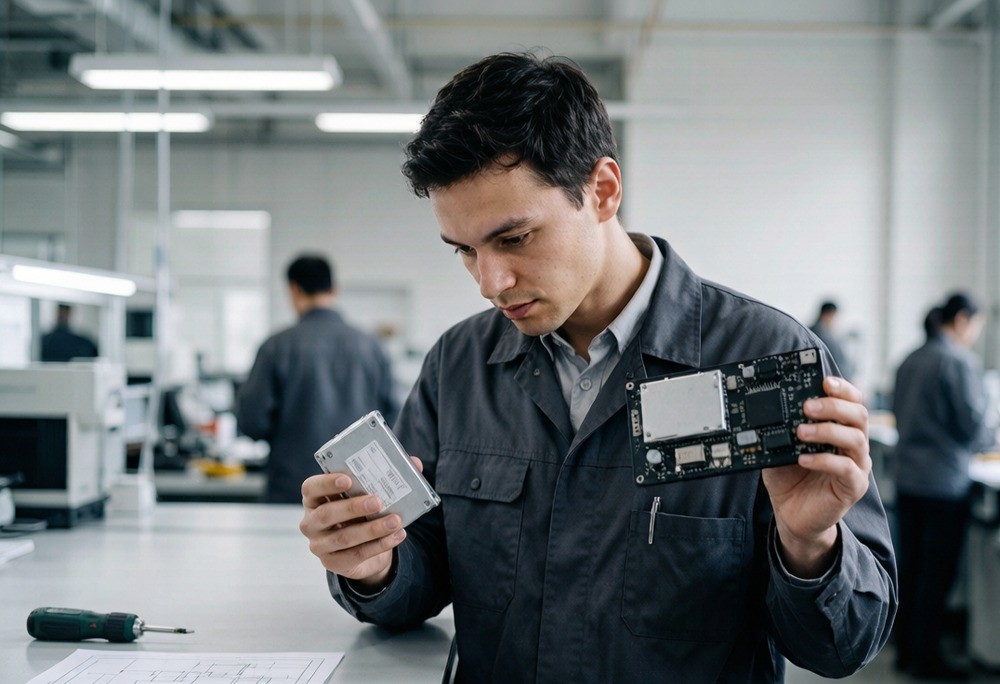
The sample and the mass run are made by different processes. Senior hands build the sample slowly and carefully; the production line is optimized for speed and cost, so quality can quietly slide.
Three mechanisms cause most drift: the factory swaps to a cheaper material batch, downgrades the process (e.g., single instead of double stitching), and inspects bulk far more loosely than the sample.
- Material substitution Sample-grade material is replaced with a lower batch that looks similar but performs worse.
- Process downgrade Hand craft becomes machine speed; checks drop from strict to sampling-rate-only.
- QC shortcut Sample may be held to AQL 0.65; bulk is often released at AQL 2.5 or looser.
Real-World Example: The Caught Material Swap
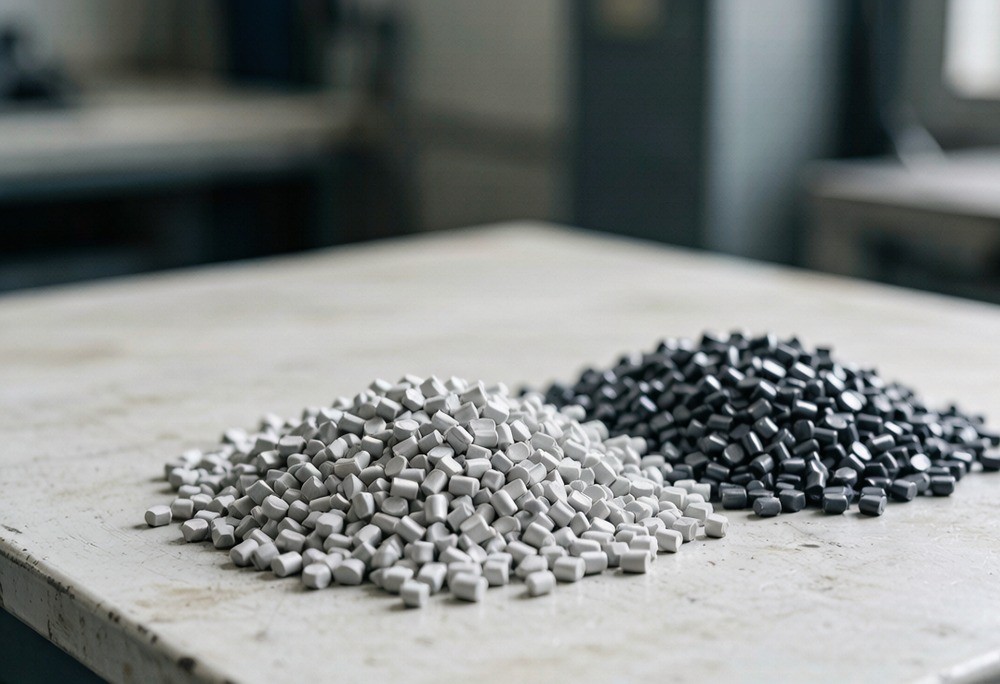
A US housewares buyer approved a golden sample in matte-finish ABS and placed a 12,000-unit run. At 30% completion, RND SOURCING's during-production inspection (DUPRO) found the line had switched to a recycled-content lot with a different filler ratio — glossier and more brittle.
Because the golden sample was sealed and the PO named the material grade, we halted the run, forced a re-grade to the approved batch, and re-inspected. The finished shipment matched the signed sample and passed AQL 2.5.
Key Data: Where the Quality Bar Sits
The numbers explain why 'sample looked fine' is not a quality plan. AQL follows the ISO 2859-1 standard used by SGS, Bureau Veritas, Intertek, and QIMA.
AQL levels per ISO 2859-1; the 0.8%-vs-23% defect gap is drawn from a documented 2019 Bluetooth-speaker QC case study.
Step-by-Step: Make Bulk Match the Sample
Build the reference before you build the run.
Sign and seal the golden sample
Both you and the factory keep a dated, bagged reference unit.
Run Pre-Production Inspection
Verify material, hardware, and labels match the sample before cutting.
Run DUPRO at 30%
Catch material or process drift while rework is still cheap.
Set the AQL in the PO
Write AQL 2.5 major (stricter for kids/safety) into the contract.
Run PSI before sailing
Independent pre-shipment inspection against the golden sample, random pull.
Common Mistakes That Hide Drift
These are how buyers discover the gap only at the warehouse.
- Assuming sample equals bulk Approval covers one unit, not the process that makes ten thousand.
- No sealed golden sample Without a reference, 'minor difference' is whatever the factory says.
- Skipping DUPRO By the time PSI runs, the whole batch may already be wrong.
- Accepting factory-picked units Inspect random pulls from sealed cartons, never the factory's showcase.

How RND SOURCING Keeps Bulk Honest
RND SOURCING seals the golden sample with you, writes the AQL into the purchase order, and runs PPI, DUPRO, and PSI on the Yiwu floor so drift is caught at the cheapest stage. We pull random units from the middle and bottom of sealed cartons — not the line's best.
If a batch fails, we document it with photos and a counted defect report you can act on before the container sails.
Book QC with RND SOURCINGInspection Stages and When to Use Them
| Stage | When | What it catches |
|---|---|---|
| Pre-Production (PPI) | Before cutting | Wrong material, hardware, or label |
| During Production (DUPRO) | At ~30% run | Material swap, process downgrade |
| Pre-Shipment (PSI) | 100% made, 80% packed | Lot-level defects vs golden sample |
| AQL 2.5 major | PSI sampling | Up to ~25 defects per 1,000 units |
Stages follow the standard third-party inspection framework (SGS / Bureau Veritas / Intertek / QIMA).
Related Questions
- Who owns the mold/tooling when I pay for it?
- What is the difference between OEM and ODM?
- What hidden costs are in an OEM quote?
- How do I negotiate OEM lead times and delay penalties?
- Can I buy small quantities (low MOQ) at Yiwu?
- Is it safe to use a sourcing agent in China?

- RM 1213, Block B Shuguang Mansion, No. 188 Shangcheng Avenue, Yiwu 322000, China

- +86 13858941517
